
By: [William/Senior Engineering Lead at DANSKER]
As an electronic engineer with a decade of experience in the automotive consumer electronics sector, I have witnessed the transition from grainy, low-resolution CVBS (Composite Video Baseband Signal) to the sophisticated digital-analog hybrid systems we use today. In the Western market, where road safety regulations are stringent and DIY culture is prevalent, the hardware must be more than just “functional”—it must be resilient, precise, and reliable.
Today, I want to break down the engineering excellence behind the DANSKER AHD 1080P 4-Pin Rear Camera and explain why it has become the benchmark for both passenger and commercial vehicles.
1. Signal Integrity: The AHD Advantage over Legacy Systems
In the automotive environment, Electromagnetic Interference (EMI) is a constant challenge. Traditional CVBS signals often suffer from “ghosting” or “snow” due to poor shielding and low resolution.
Our camera utilizes AHD (Analog High Definition) technology. From an engineering standpoint, AHD allows for the transmission of 1080P (1920×1080) high-definition video over standard coaxial or 4-core cabling without the compression artifacts typically found in pure digital IP cameras.
- Zero Latency: Unlike digital wireless systems that may lag by 200-500ms, our AHD solution provides real-time 30fps transmission. In a reversing scenario at 10 mph, a half-second lag is the difference between a safe stop and a collision.
- Lossless Transmission: We maintain signal fidelity over cable runs of up to 15 meters, making it ideal not just for sedans, but for long-wheelbase vans and SUVs common in the North American and European markets.
2. The 4-Pin Industrial Architecture
We opted for the 4-pin aviation-style connector over the flimsy 2.5mm DC jacks for a specific reason: Mechanical Stability.
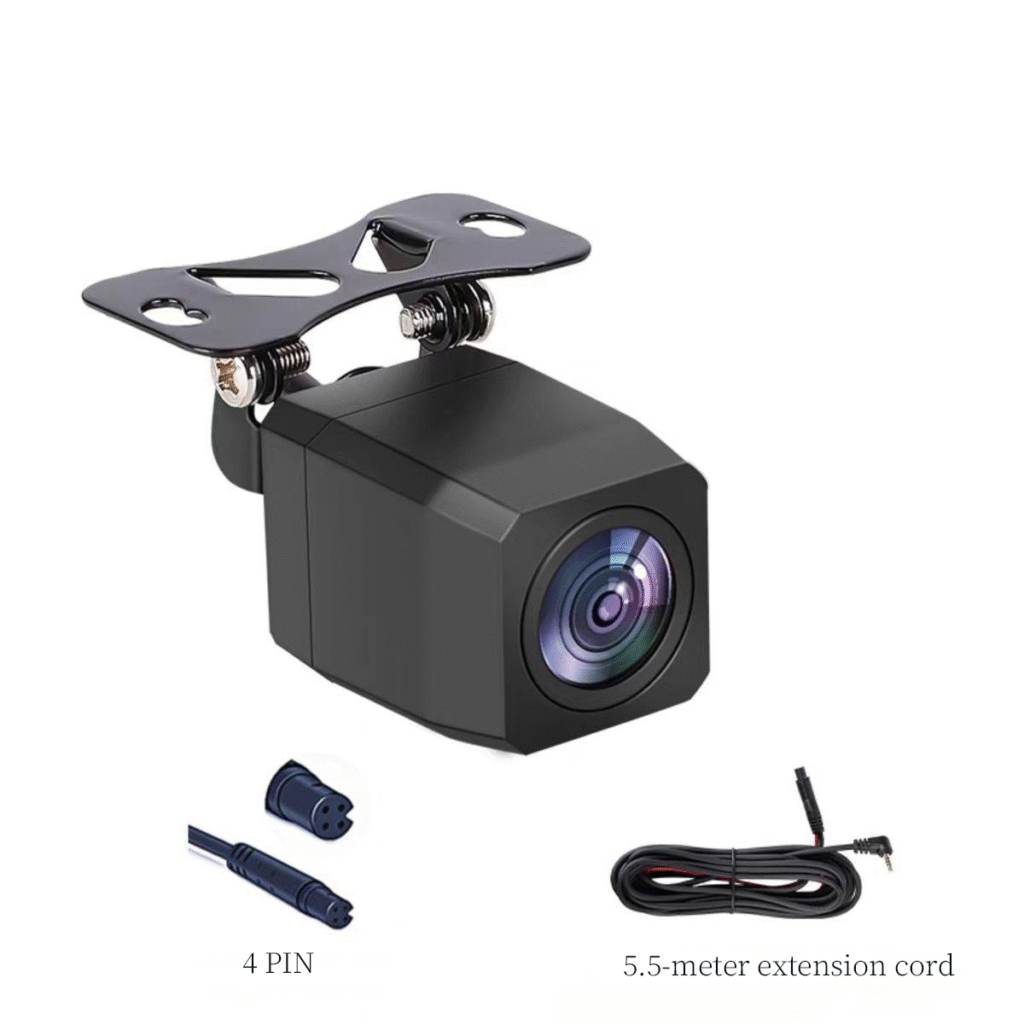
- Isolated Power & Signal: The 4-pin configuration separates the power (VCC/GND) and the differential signal lines. This architectural choice minimizes “cross-talk” and ensures a high Signal-to-Noise Ratio (SNR).
- Vibration Resistance: Automotive environments are high-vibration zones. The threaded locking mechanism of our 4-pin interface prevents signal intermittent drops—a common failure point in cheaper consumer-grade hardware.
3. Optical Engineering: Beyond the Megapixel
While “1080P” is a buzzword, the magic happens in the ISP (Image Signal Processor) and the lens assembly.
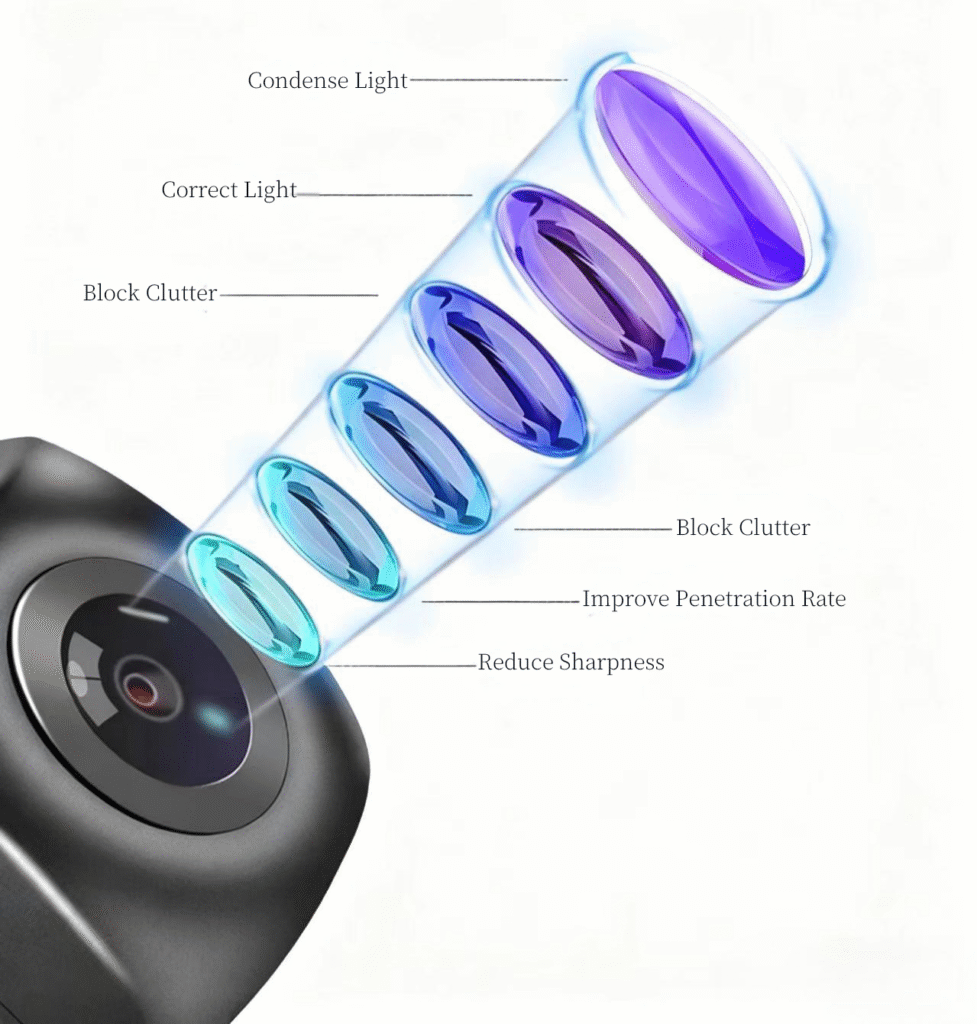
- 0.01 Lux Low-Light Sensitivity: Utilizing a high-sensitivity CMOS sensor, our camera captures usable evidence in environments as dark as 0.01 Lux. This is critical for poorly lit European alleyways or suburban driveways at night.
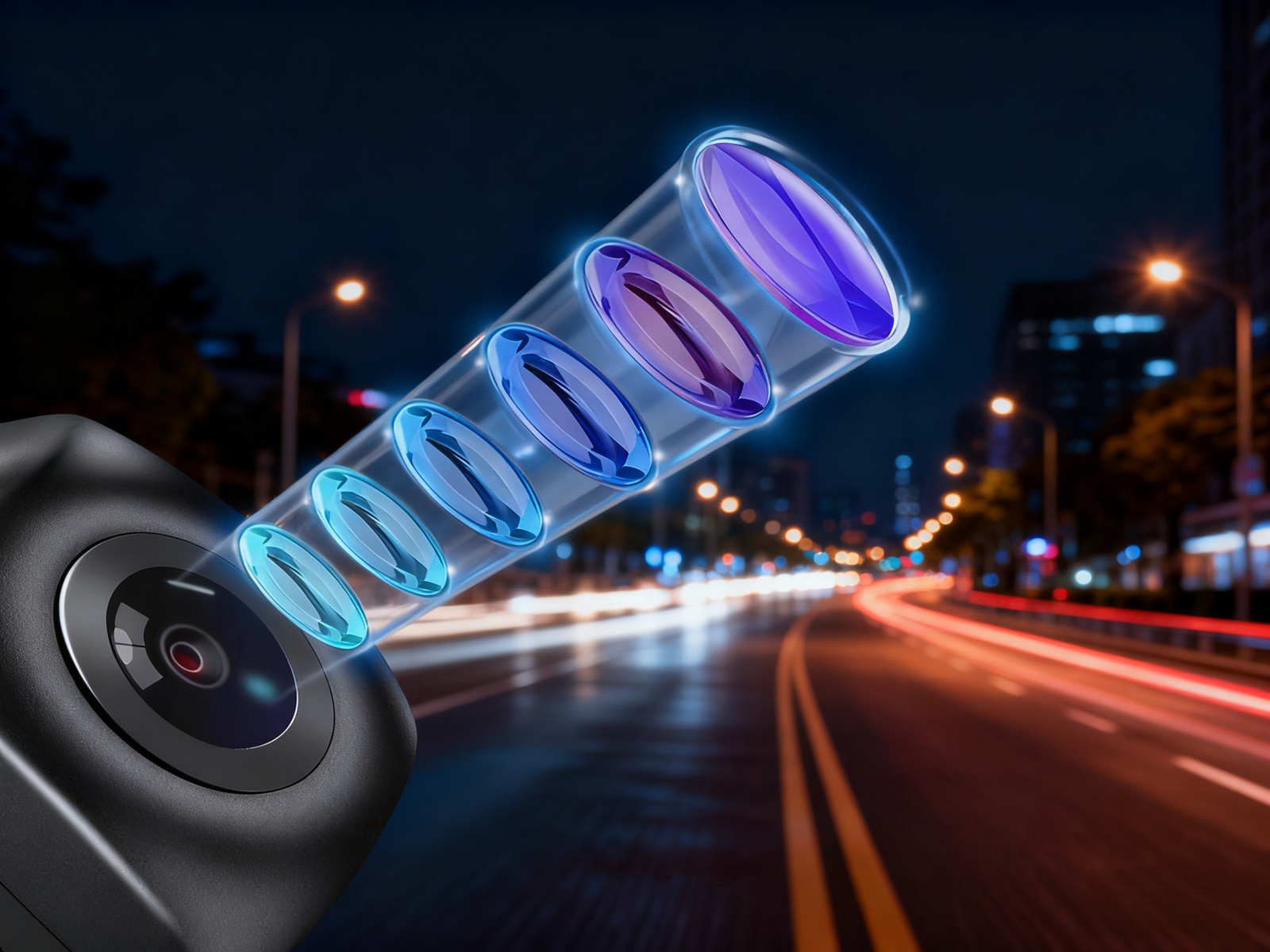
- 170° Field of View (FOV) with Distortion Correction: A wide angle is useless if the “fisheye” effect makes it impossible to judge distance. Our optical stack includes an aspherical lens element that corrects geometric distortion, ensuring that the 3-lane coverage remains true-to-scale for accurate insurance evidence.
- Thermal Management: Our PCB layout is optimized for heat dissipation, allowing the camera to operate within a delta of -30°C to +85°C. Whether it’s a Scandinavian winter or a Texas summer, the sensor maintains its “dark current” levels to prevent image noise.
4. All-Weather Hermetic Sealing (IP68)
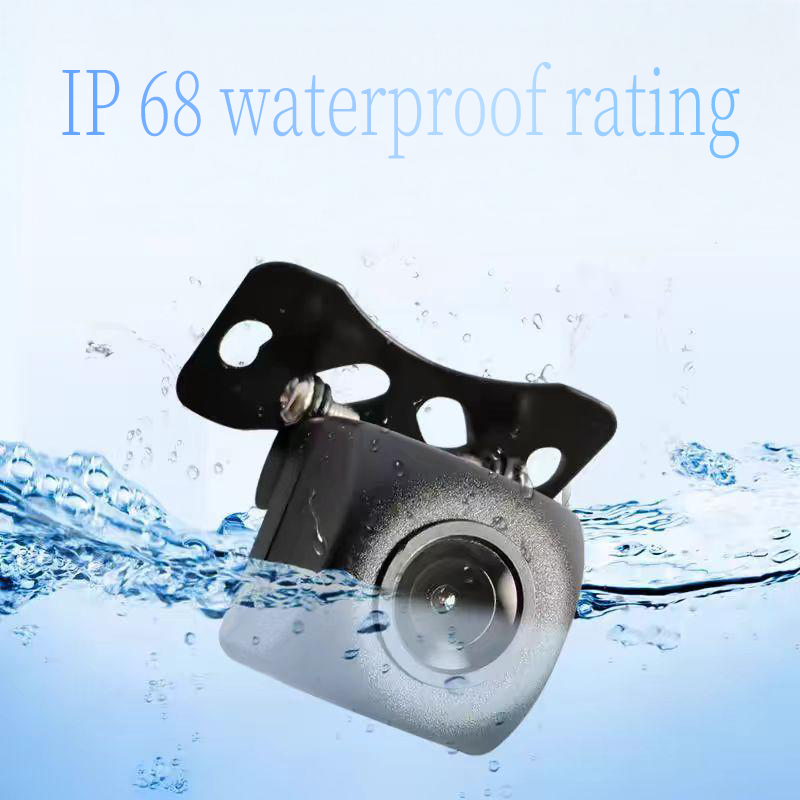
In engineering, “waterproof” is a spectrum. For DANSKER, we target IP68. This means the unit is not only protected against heavy rain but is hermetically sealed against high-pressure water jets used in commercial car washes. The internal components are vacuum-potted to prevent condensation—a leading cause of “foggy lens” syndrome in cheaper alternatives.
5. Universal Voltage Compatibility: 5V to 24V
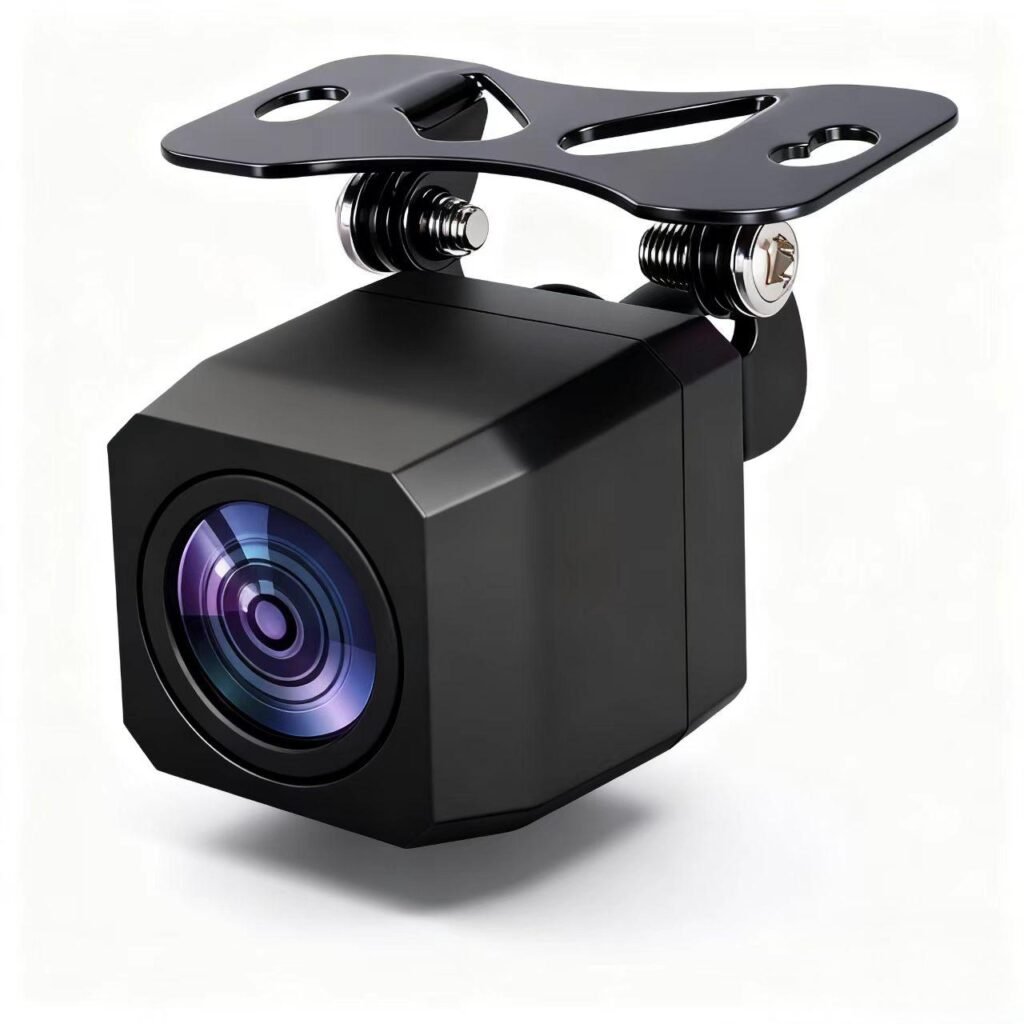
To serve the diverse fleet requirements of the Western market—from the 12V DC of a Tesla to the 24V DC of a Volvo long-haul truck—we integrated a wide-input buck-boost converter. This allows the camera to handle voltage spikes and “load dump” scenarios common in heavy-duty vehicles without damaging the sensitive imaging silicon.
The Engineer’s Verdict
The DANSKER AHD 1080P Rear Camera isn’t just an accessory; it is a meticulously engineered piece of safety hardware. By combining the stability of analog transmission with the clarity of digital resolution, we provide a solution that addresses the three pillars of automotive electronics: Clarity, Reliability, and Ease of Integration.
Whether you are an enthusiast looking to upgrade your vehicle’s safety or a fleet manager seeking to reduce liability, the technical specs of this unit offer the peace of mind that only high-tier engineering can provide.