By: [William/Senior Engineering Lead at DANSKER]
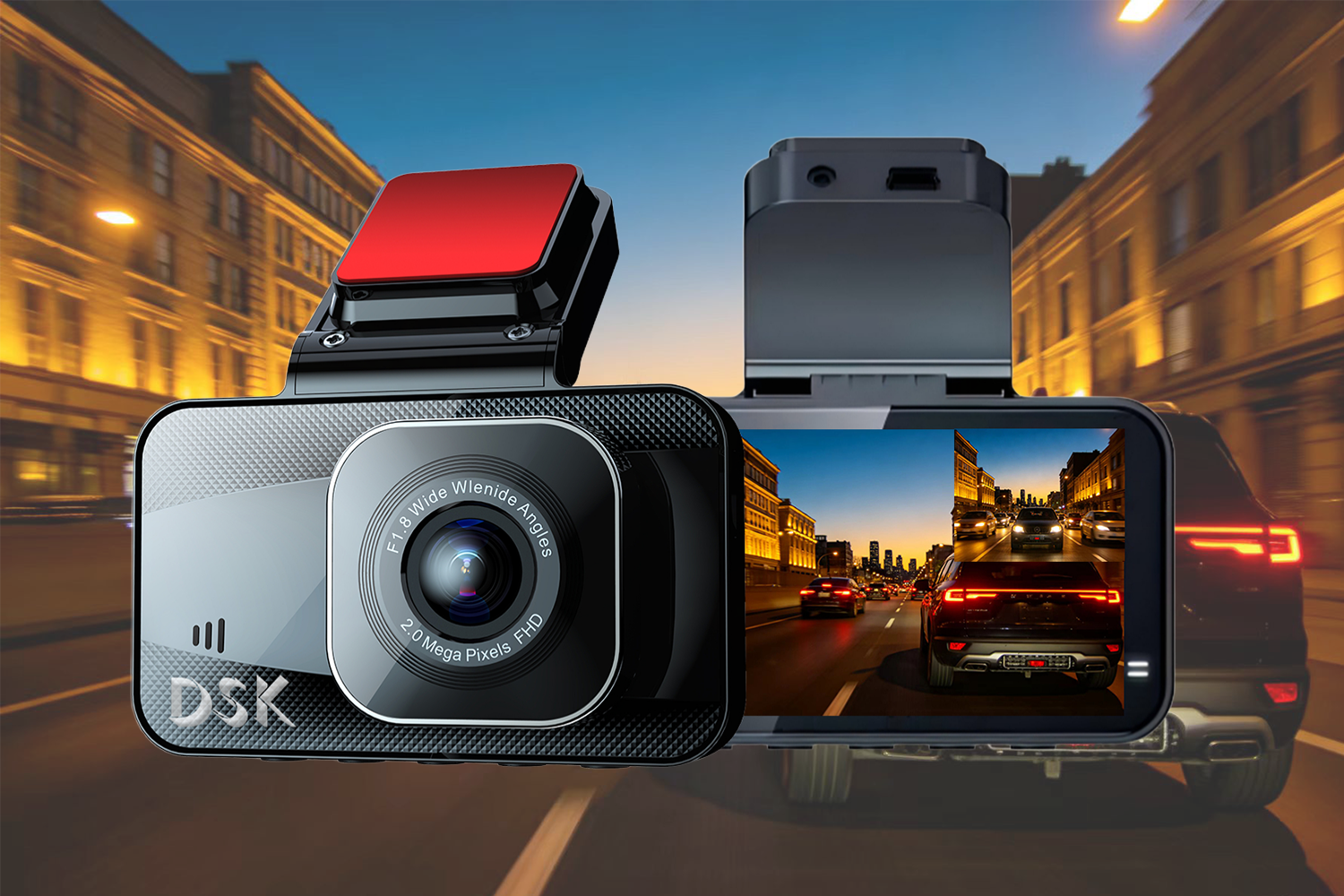
As the R&D at DANSKER, with years of experience in automotive electronic ecosystems, I’ve overseen the evolution of dash cams from simple “loop recorders” to sophisticated multi-channel safety hubs. One feature that frequently surfaces in our high-end product discussions for the North American and European markets is Picture-in-Picture (PiP).
While it may seem like a simple UI layout, the engineering behind it and its utility in the “real world” of Western roads are significant. Below is a deep dive into the technical and strategic value of PiP technology in modern dash cams.
1. What is the Picture-in-Picture (PiP) Function?
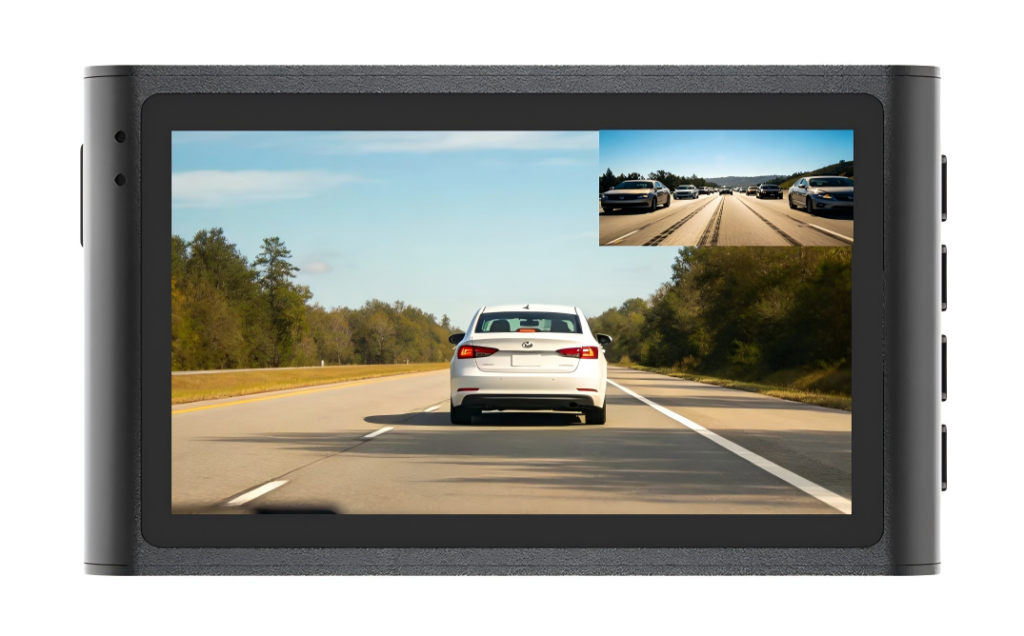
In the context of automotive electronics, Picture-in-Picture (PiP) is a display mode where a primary video feed (typically the 4K front-facing camera) occupies the full screen, while a secondary feed (rear-facing or cabin-interior) is overlaid in a smaller, inset window.
Its Role: PiP serves as a real-time situational awareness tool. It allows drivers to monitor multiple angles—such as keeping an eye on a sleeping child in the back seat or checking rear-end proximity—without losing the critical visual focus on the road ahead.
2. The Engineering Barrier: Why PiP is Reserved for Premium Models
Implementing PiP isn’t just a “software toggle”; it requires a robust synergy between hardware and firmware.
- SoC & ISP Throughput: To run PiP, the System on Chip (SoC) must support multi-channel processing. While budget chips struggle to encode a single 1080p stream, high-end chipsets (e.g., from Ambarella or Novatek) utilize dual Image Signal Processors (ISPs) to process two high-bitrate streams simultaneously without frame drops.
- Memory Management & Alpha Blending: Software engineers must implement Alpha Blending to overlay the secondary window. This requires significant DDR RAM bandwidth to manage two concurrent frame buffers and composite them into one UI output in real-time with near-zero latency.
- Thermal Management: Processing two video streams and compositing them generates significant heat. High-end DANSKER units use automotive-grade components and advanced heat dissipation designs to ensure the device doesn’t throttle or reboot during a summer drive in Southern Europe or California.
3. PiP vs. Split-Screen: The Superiority of Hierarchy
Many entry-level dual-lens cameras use a Split-Screen (50/50) view. Here is why PiP is the professional choice:
- Visual Priority: On a standard 3-inch dash cam screen, a 50/50 split shrinks both images to a point where detail (like license plates) is hard to see. PiP maintains the Front View as the priority, ensuring the driver’s main field of vision is clear.
- Aspect Ratio Integrity: Split-screen often crops or distorts the image to fit the narrow halves. PiP preserves the original 16:9 or 21:9 aspect ratio, providing an undistorted, natural view of the environment.
- Customization: Premium PiP allows the user to swap the “main” and “inset” windows with a single touch—essential for parking maneuvers.
4. The Value Proposition of PiP
- Enhanced Safety: It reduces “cognitive load.” A driver can glance at one screen to see two directions, rather than checking multiple mirrors and a monitor.
- Proof of Liability: In the event of an incident, the PiP interface on the device allows for immediate, clear playback to law enforcement, showing the correlation between what happened in front of and behind the vehicle simultaneously.
- User Experience (UX): It gives the device a “premium” feel, aligning with the sophisticated infotainment systems found in modern Teslas, BMWs, or Audis.
5. Is PiP Necessary for the Western Market?
The short answer is Yes.
- In North America: With the rise of Ridesharing (Uber/Lyft), drivers need to monitor the cabin and the road. PiP allows them to ensure passenger safety while keeping eyes on traffic.
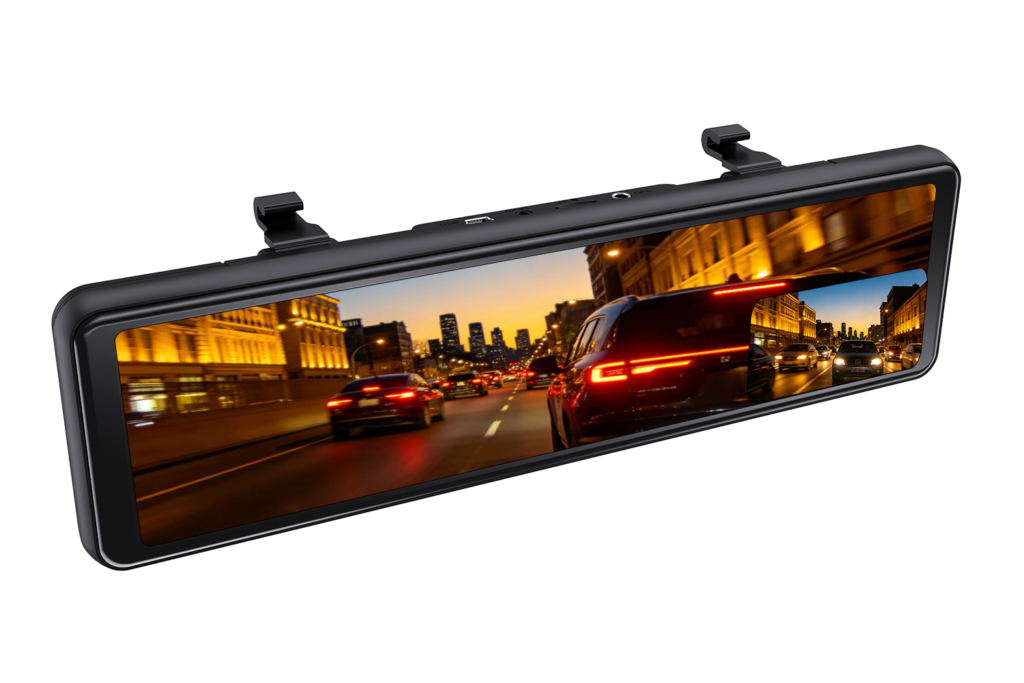
- In Europe: High-speed driving on the Autobahn or navigating narrow UK streets requires split-second awareness of rear-approaching vehicles. PiP provides that “digital rearview mirror” experience that integrated factory systems often lack.
Engineering Summary: The PiP Framework
Technical Architecture Overview
- Processing Logic: Multi-stream concurrency requires an SoC capable of handling simultaneous 4K + 1080p encoding without frame-skipping (< 1ms jitter).
- Visual Compositing: Implementation of hardware-level Alpha Blending to ensure the overlay window (PiP) does not introduce UI latency or “tearing.”
- Thermal Envelope: Sustained operation at 65℃ ambient temperature while maintaining maximum bitrate (25-30 Mbps) across all channels.
- UX Philosophy: Prioritizing the primary field of view to minimize “Glance Time” and reduce driver distraction, adhering to international road safety ergonomics.