By: [William/Senior Engineering Lead at DANSKER]
In the rapidly evolving landscape of automotive safety, a dash cam has transitioned from a “nice-to-have” gadget to a critical legal and safety companion for drivers across North America and Europe. At DANSKER, we don’t just build cameras; we engineer peace of mind. One of the most misunderstood yet vital components of our technology is Motion Detection. Far from being a simple software gimmick, it represents a sophisticated marriage of high-speed image processing, intelligent power management, and real-time data integrity. As we navigate the complexities of modern road safety and insurance compliance, understanding the engineering behind “the eyes that never sleep” is essential.
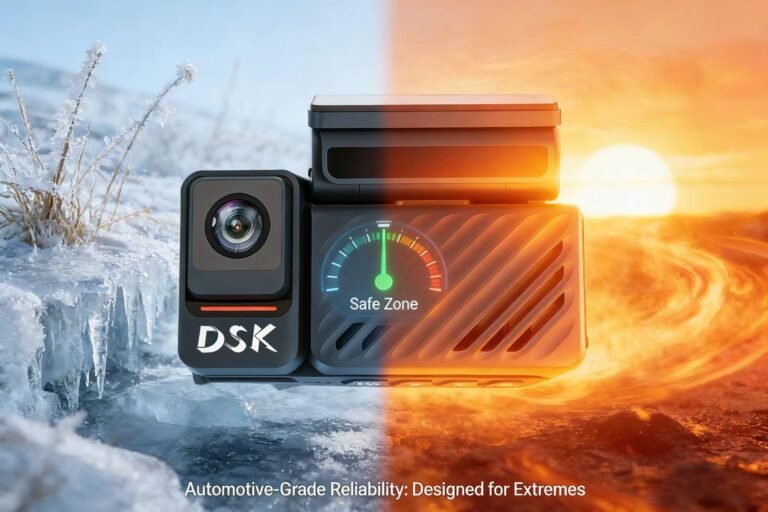
In the realm of automotive electronics, Motion Detection (MD) is far more than a simple “on/off” trigger. It is a sophisticated interplay between optical sensors, image signal processing, and real-time data management. For DANSKER, ensuring this feature works flawlessly in the variable climates of Scandinavia or the high-speed environments of the German Autobahn is a primary engineering objective.
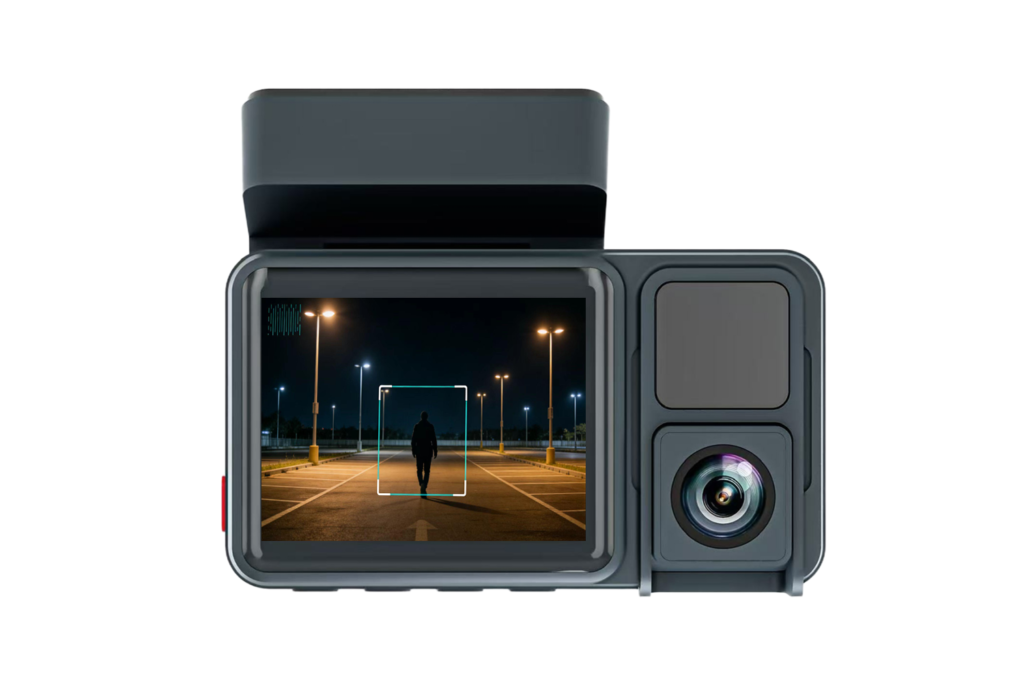
1. Defining Motion Detection: The Driving vs. Parking Paradigms
From a software engineering perspective, Motion Detection is the process of detecting a change in the relative position of an object or a change in the visual field through Pixel Difference Analysis.
- During Normal Driving: While most users record continuously (Loop Recording) while driving, MD serves as a secondary filter. Advanced algorithms can use motion vectors to identify “Relevant Events”—such as a vehicle cutting into your lane—tagging that specific metadata for easier retrieval or cloud upload without waiting for a G-sensor impact trigger.
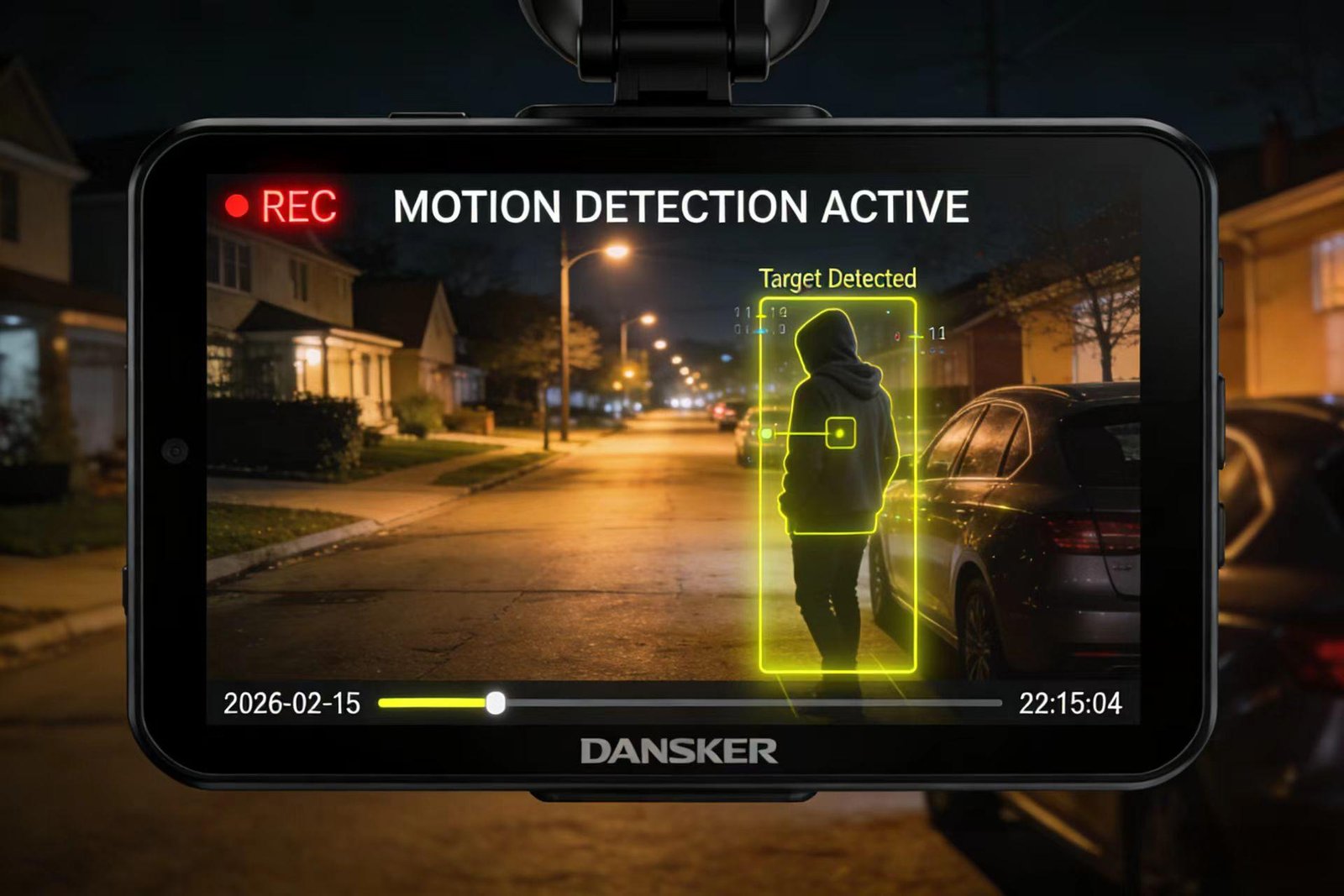
- During Parking (Parking Mode): This is where MD shines. The device enters a low-power state, monitoring the CMOS sensor’s feed. The software compares “Frame A” to “Frame B” at a specific sampling rate. If the delta between pixels exceeds a predefined threshold (indicating a person or car approaching), the system triggers a “write” command from the volatile buffer to the MicroSD card.
2. Hardware and Software Architecture Requirements
To implement reliable Motion Detection, the “Mainboard” (PCBA) must meet rigorous specifications:
- SoC & ISP Capability: The System on Chip (SoC) must have a high-performance Image Signal Processor (ISP). It needs to handle “Motion Vector Calculation” at the hardware level to minimize CPU load. If the hardware is too weak, the “Time-to-Record” latency increases, and you miss the very event you intended to capture.
- Real-Time Stability & Buffer Management: Professional-grade software uses a Pre-Record Buffer. The RAM constantly holds the last 5–10 seconds of video. When motion is detected, the software must instantaneously “stitch” that buffer onto the new recording. This requires a high-speed I/O priority and a robust Real-Time Operating System (RTOS) or optimized Linux kernel to prevent frame drops during the write-cycle.
- Encoding Efficiency: We utilize H.265 (HEVC) encoding. The software must be stable enough to initiate high-bitrate encoding in milliseconds, ensuring that the “Motion” event is captured in crisp 4K detail without overheating the unit.
3. The Value Proposition: From Daily Commutes to Insurance Claims
- Storage Optimization: By only saving footage when something is actually happening, MD extends the lifespan of the NAND flash in your SD card by reducing unnecessary write cycles.
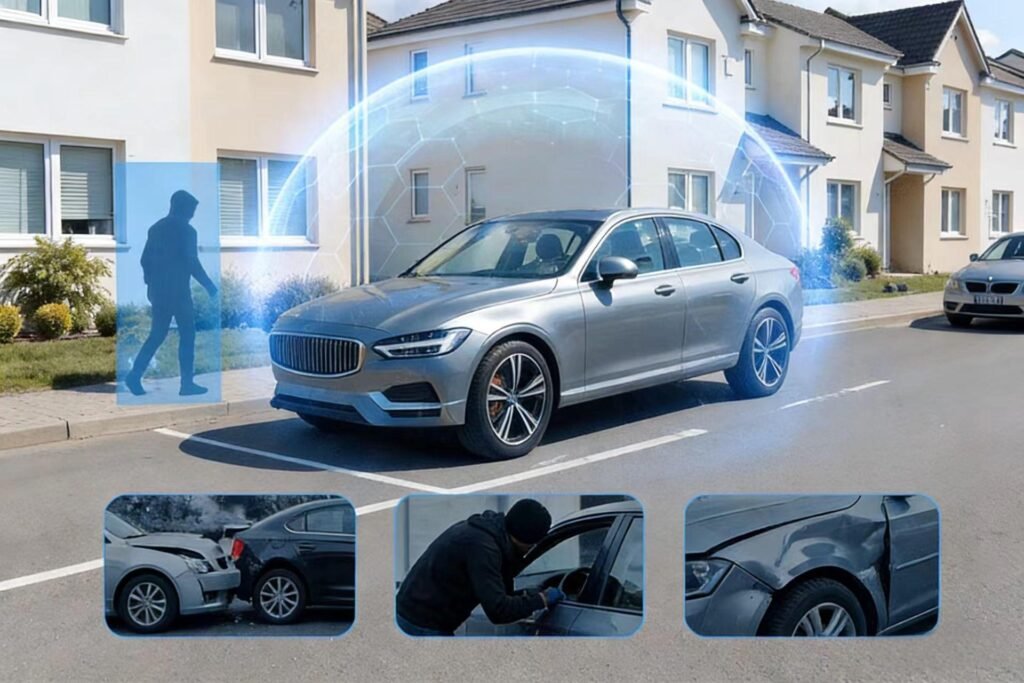
- Hit-and-Run Protection: In parking scenarios, MD acts as a silent sentry. It captures the license plate of a vehicle bumping into yours before the physical impact even occurs, providing “pre-event” context that a G-sensor alone might miss.
- Theft Deterrence: A visible dash cam that starts recording (often accompanied by a blinking LED) when a prowler approaches can prevent vehicle break-ins.
4. Necessity in the US and European Markets
In North America, wide-open parking lots and high rates of vehicle-related “vandalism” make Motion Detection a top-tier selling point.
In Europe (UK, Germany, Nordics), the logic shifts toward Legal and Insurance Compliance. European insurance adjusters increasingly rely on “clear evidence” to settle “split-liability” disputes. Furthermore, because European GDPR regulations are strict regarding continuous public surveillance, a dash cam that only records when “triggered” by motion is often seen as a more privacy-compliant solution than one that records 24/7.
5. The Engineer’s Perspective: Why It’s a “Must-Have”
Why has this become a staple? Resource Management. As an engineer, I view a car’s battery as a finite resource. Constant 24/7 recording would drain a car battery in hours. Motion Detection allows us to implement Low-Power Monitoring Architecture. By keeping the “eyes” open but the “brain” in a semi-sleep state, we balance maximum security with vehicle health. It is the perfect marriage of hardware efficiency and software intelligence.
🛠️ Engineer’s Summary
From an R&D standpoint, Motion Detection is the ultimate test of a dash cam’s “environmental IQ.” At DANSKER, we don’t just aim for detection; we aim for Intelligent Verification. By optimizing the ISP’s noise-reduction algorithms and minimizing RTOS interrupt latency, we ensure our firmware translates raw pixel data into a reliable digital witness. Our goal is to ensure that when the unexpected happens, the hardware-software synergy is so seamless that the capture is instantaneous, stable, and indisputable.