Dansker Tech Academy
2025 The Ultimate Guide to
VGA Dash Cam Technology
Why does 640×480 resolution still command 60% of the market? We decode the technology, cost advantages, and irreplaceable value of 5-pin digital cameras in fleet management and retrofitting.
In an era dominated by 4K UHD screens, the persistence of VGA (640×480) technology might seem paradoxical. Yet, in 2024, single-channel dash cams still accounted for 60% of the global market share, with a significant portion utilizing VGA resolution.
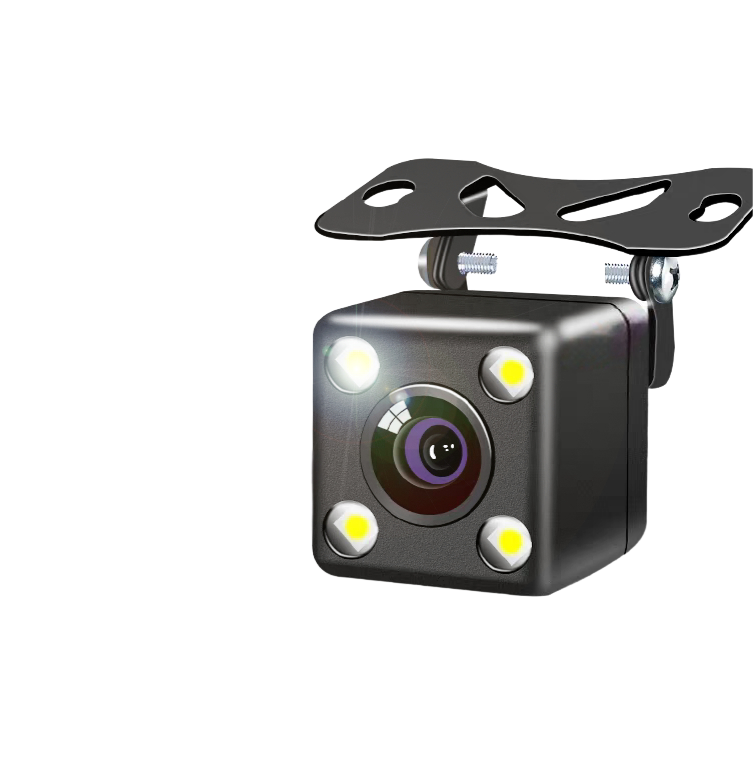
This isn’t a refusal to upgrade; it’s a strategic choice. For applications like basic reversing assistance, low-cost anti-theft monitoring, and fleet management, VGA offers an unbeatable balance of cost, stability, and low system load. Especially for older vehicle retrofits and budget-sensitive commercial projects, the 5-pin digital VGA camera remains the optimal solution.
1. Hardware Architecture & The 5-Pin Standard
The CMOS Sensor Core
The physical foundation of VGA is a 640×480 pixel array, totaling approximately 300,000 effective pixels. While small in count, the pixel size is relatively large—typically between 3.6μm × 3.6μm (e.g., in the GC0316 sensor).
Why does this matter? Larger pixels absorb more light. A typical VGA sensor offers a high signal-to-noise ratio (~42dB) and operates on very low power (working current ~30mA, standby <10μA). This efficiency is critical for 24/7 parking monitoring where battery drain is a concern.
Decoding the 5-Pin Digital Interface
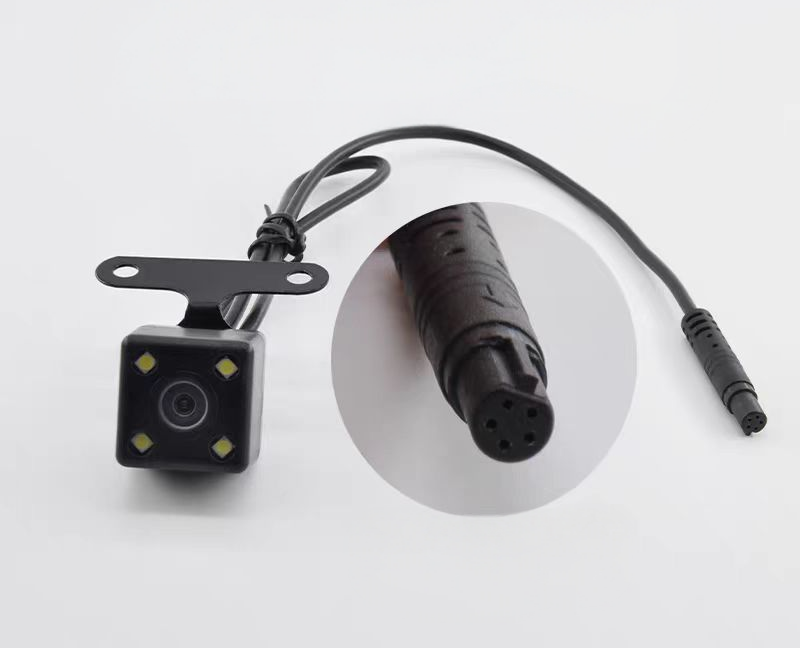
Unlike traditional 4-pin analog AV interfaces which suffer from signal degradation over long cables, DANSKER utilizes a robust 5-Pin Digital Interface. This is crucial for rear-view cameras that require long extension cables through the vehicle chassis.
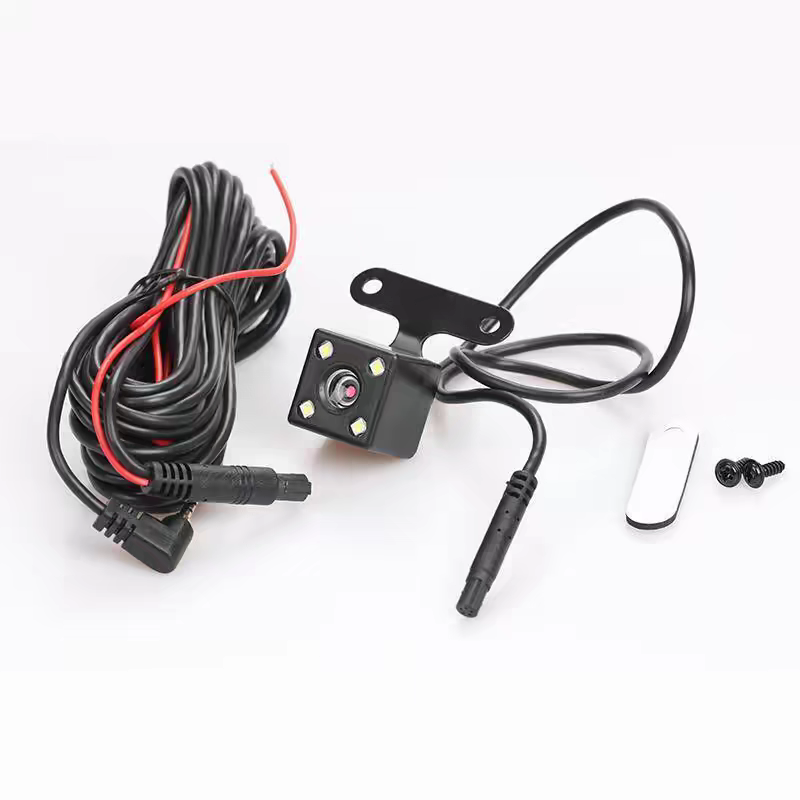
Standard 5-Pin Configuration
- Pin 1: Reverse Light Power (+) – Triggers parking mode.
- Pin 2: Power Ground (-)
- Pin 3: Video Signal (+) – Positive digital transmission.
- Pin 4: Video Signal (-) – Negative differential signal.
- Pin 5: Shielding – Critical for anti-interference.
Digital vs. Analog: The core advantage of this digital interface is anti-interference. In a car environment filled with electromagnetic noise from alternators and electronics, digital signals remain stable, ensuring the video feed doesn’t flicker or distort.
Deep Dive: 5-Pin Digital vs. Analog
Understand the technical pinouts and why digital signals win in long-distance transmission.
2. Performance Evaluation: Quality vs. Efficiency
The Storage Advantage
One of the strongest arguments for VGA is storage efficiency. A 1080P video typically consumes about 100MB per minute. In contrast, VGA video requires only 1/4 to 1/3 of that space.
On a standard 16GB card, a 1080P cam might record for 100 minutes before looping. A VGA cam can record for 600-800 minutes (over 10 hours). For drivers who need long-duration history without buying expensive high-capacity cards, VGA is the pragmatic king.
Low-Light Night Vision
Don’t let the resolution fool you. VGA cameras often outperform cheap HD cameras in the dark. Thanks to the large pixel area mentioned earlier, the sensor sensitivity is excellent (typically 1.3V/lux-sec).
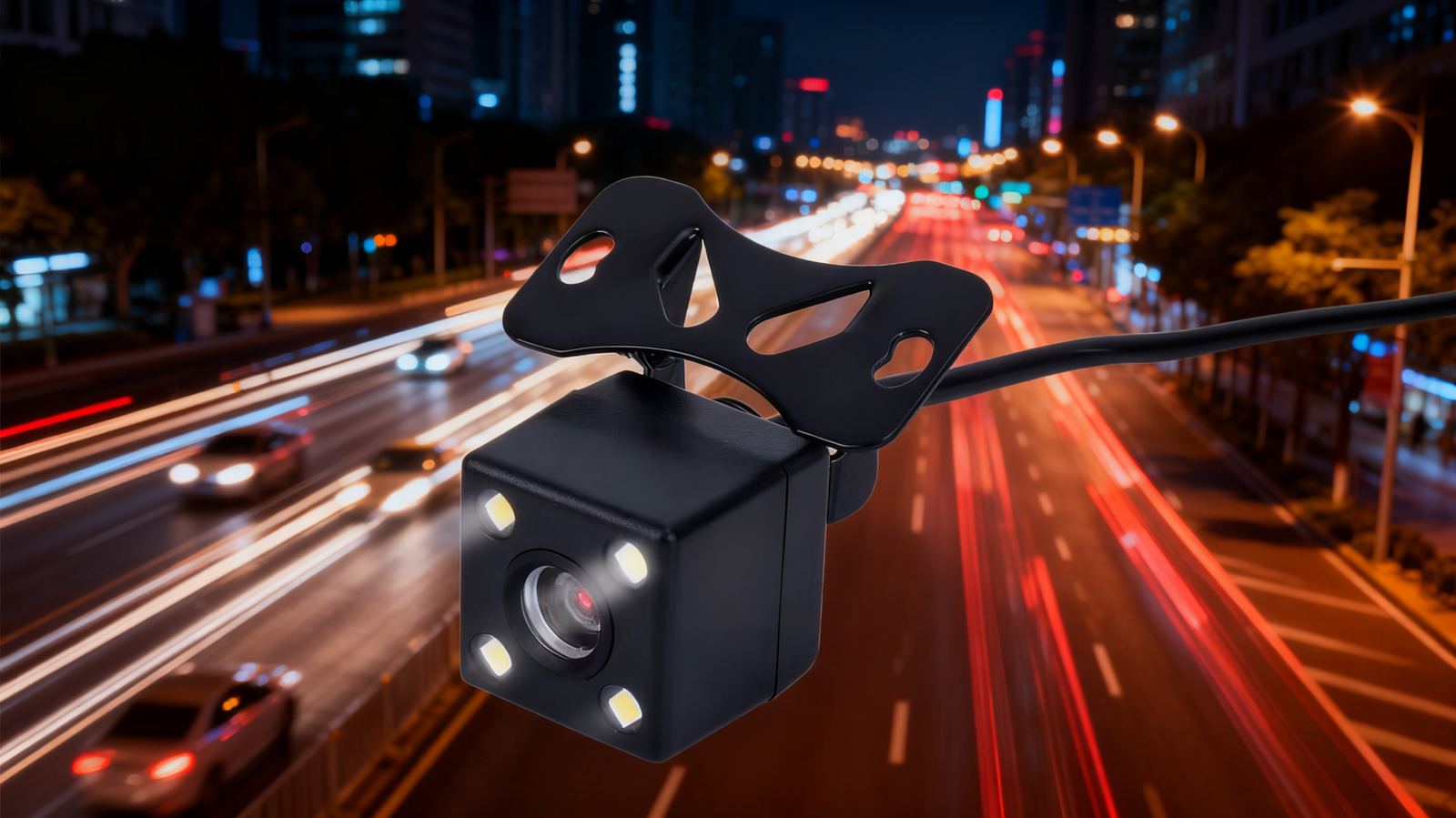
When paired with 4-12 IR LED lights (standard on DANSKER truck cams), these units can see in 0.01 LUX conditions (total darkness), providing clear black-and-white footage essential for reversing into unlit loading docks.
ROI Analysis: VGA vs. 1080P/4K
See the detailed cost breakdown and storage calculation for fleet managers.
3. Environmental Adaptability & Reliability
Commercial vehicles operate in harsh environments. DANSKER’s VGA modules are built to survive where consumer electronics fail.

- Temperature: Operating range from -20℃ to 70℃ (Industrial grade up to 85℃).
- Waterproof: Strict adherence to IP67/IP68 standards, capable of withstanding high-pressure car washes and rain exposure.
- Shockproof: Reinforced internal structures to handle the constant vibration of heavy trucks and construction vehicles.
The simplicity of the VGA architecture also means fewer points of failure. With lower heat generation than 4K processors, these units have significantly longer lifespans.
4. Commercial & Fleet Applications
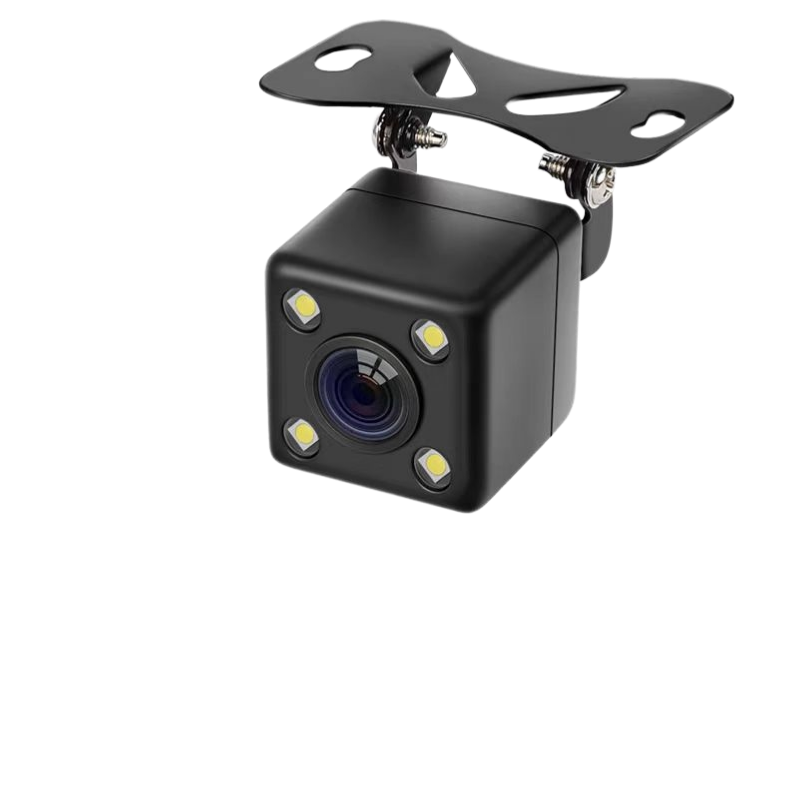
For a fleet manager equipping 100 trucks, cost is a decisive factor. VGA cameras cost 20-50% less than their HD counterparts. But the savings don’t stop at hardware.
Bandwidth Efficiency for 4G/5G
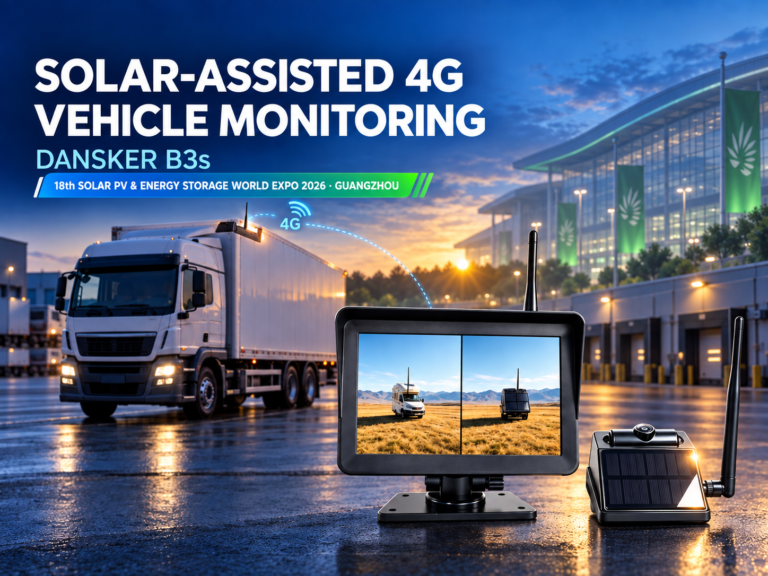
In modern telematics, cameras stream video to the cloud. High-definition streams eat up data plans rapidly. VGA’s low bitrate (approx 0.3MB per frame) means smoother real-time streaming over 4G networks with significantly lower data costs. This allows for real-time monitoring of driver behavior without breaking the bank.
Fleet Solutions: Cutting Costs with VGA
How logistics companies save thousands by choosing the right resolution.
5. DANSKER’s Commitment to Quality
While the market races towards higher pixel counts, DANSKER recognizes the enduring value of reliable, cost-effective technology. We continue to engineer premium VGA solutions that meet GB8898, CE, and RoHS standards.
Whether you are upgrading a classic car that only supports analog/VGA inputs, or managing a massive logistics fleet, our 5-pin digital cameras offer the perfect blend of performance and economy. Innovation isn’t just about more pixels; it’s about the right tool for the job.