By [Olivia/DANSKER Team], Senior Marketing & Engineering Specialist
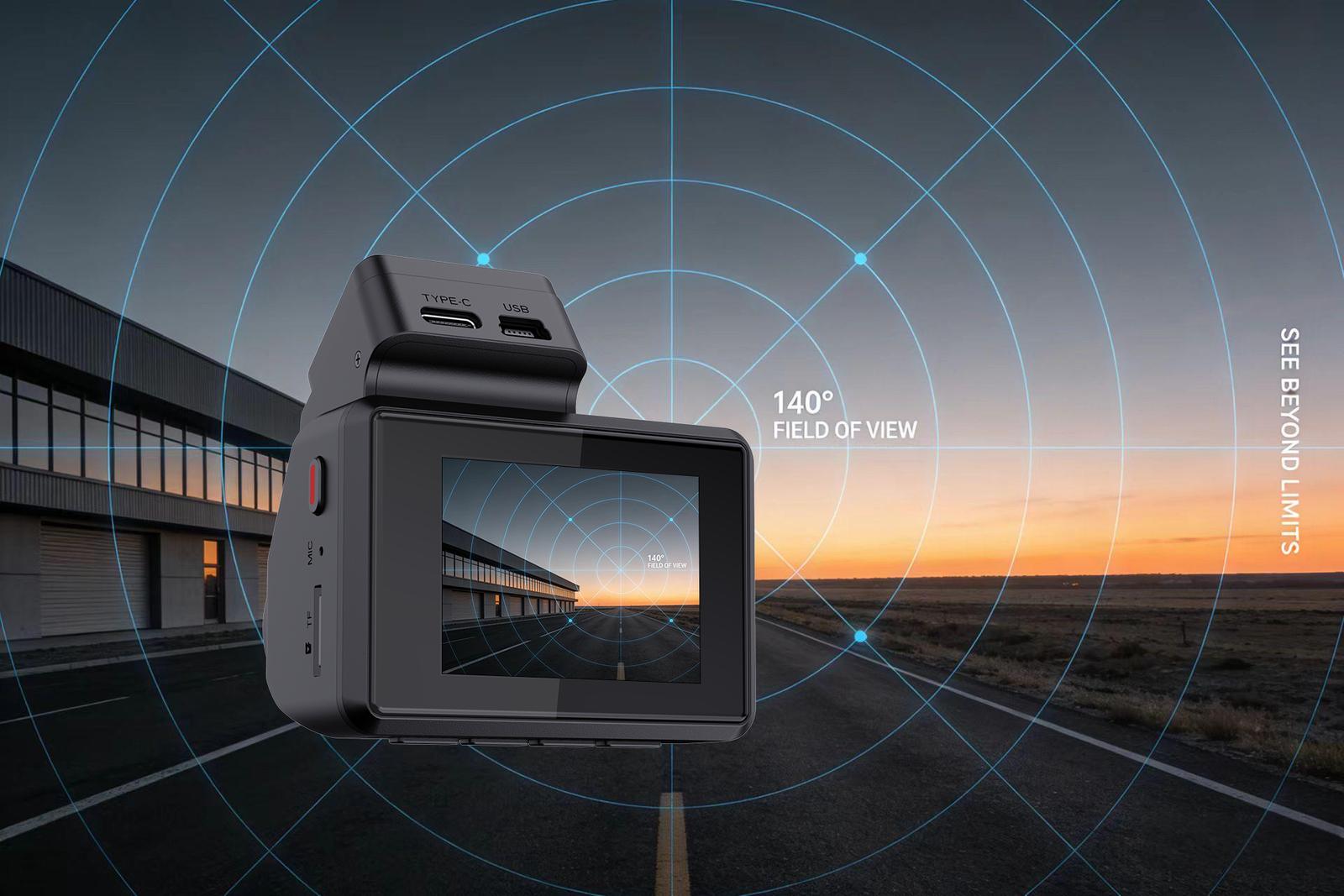
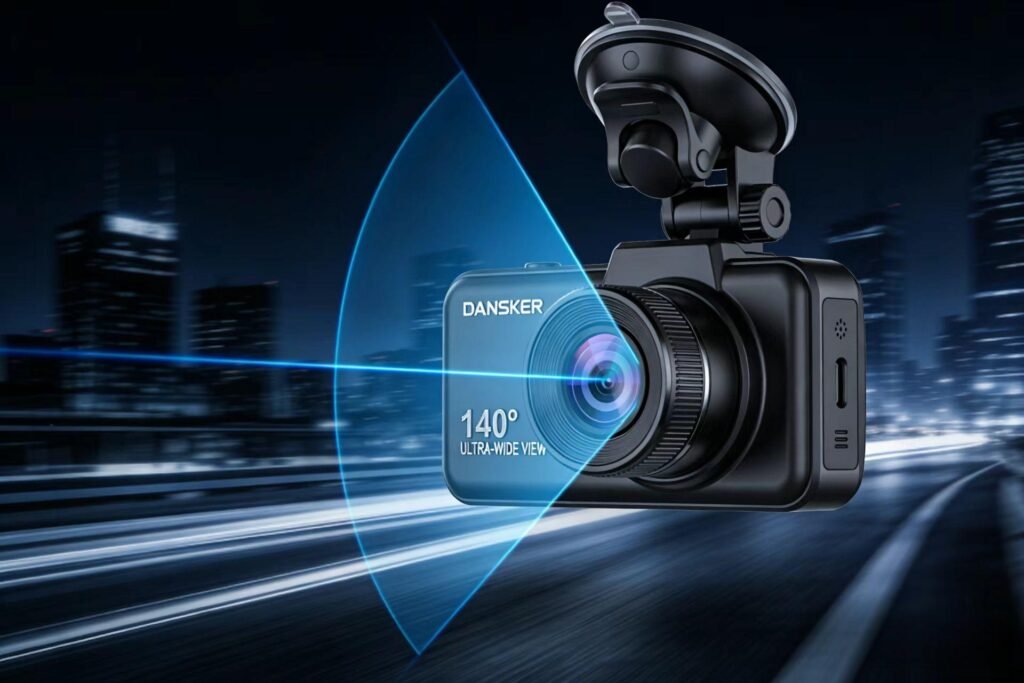
In the world of automotive electronics, camera specifications are more than just numbers. At DANSKER, we design products for the demanding North American and European markets. For our core product line, we prioritize the 140° field of view (FOV). This specific angle is the industry “Golden Ratio.” It is the result of precise engineering calculations. This blog explains how the 140° flat lens balances optical performance, hardware stability, and software intelligence for professional use.
1. The Engineering Logic Behind the 140° “Golden Ratio”
The 140° angle is considered the “Golden Ratio” because it captures the entire width of a four-lane highway without sacrificing pixel density.
- Detail vs. Width: A lens wider than 140° causes “fisheye” stretching. This makes license plates in the center look smaller and harder to read.
- Object Distance: At 140°, the distance perception remains natural. This helps insurance adjusters accurately judge how far away another car was during an incident.
- A-Pillar Coverage: This FOV is wide enough to see from left A-pillar to right A-pillar in most modern vehicles, covering potential side-impacts at intersections.
2. Hardware Design: Optics and Sensor Matching
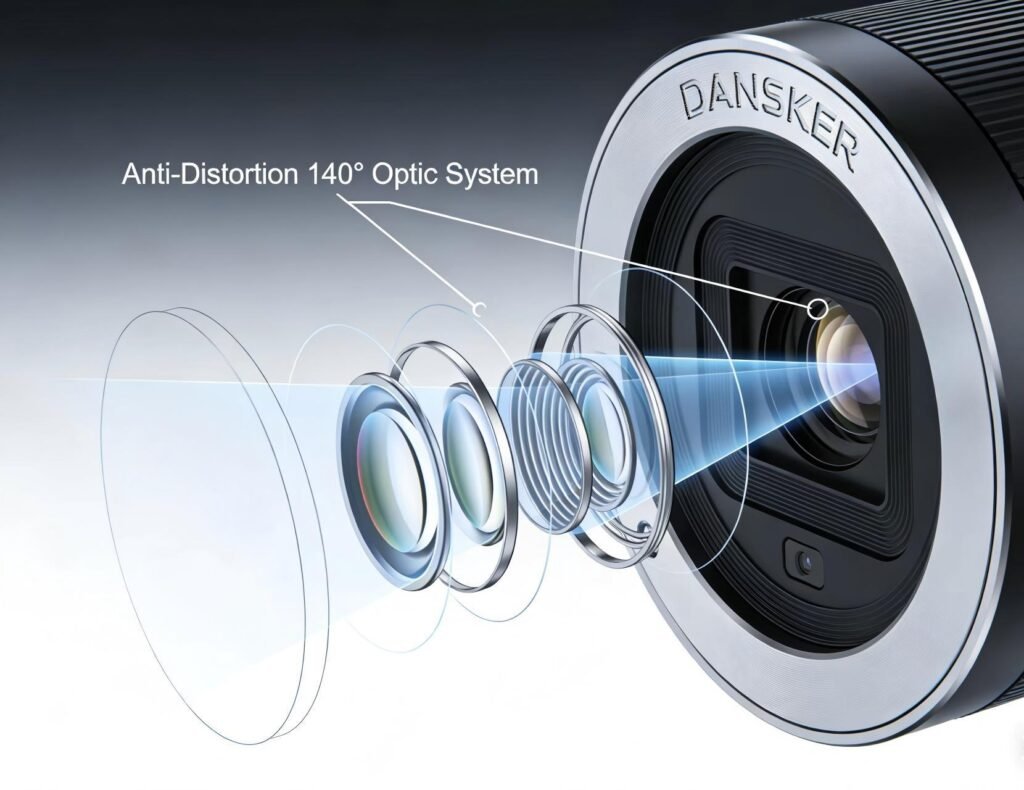
When we design hardware for a 140° flat lens, we focus on optical alignment and sensor synergy.
- Sensor Selection: We pair these lenses with high-sensitivity CMOS sensors (like the Sony STARVIS series). We ensure the image circle of the lens fully covers the active pixel area of the sensor to avoid dark corners (vignetting).
- Thermal Stability: Wide-angle glass-plastic hybrid lenses can shift focus when a car gets hot. We use all-glass (6G or 7G) lenses with metal barrels to maintain focus from -20°C to +70°C.
- Structural Precision: The lens mount must be perfectly centered. A 0.1mm offset can cause one side of the video to be blurry while the other is sharp.
3. Software Optimization: Beyond the Raw Image
A 140° lens requires heavy lifting from the Image Signal Processor (ISP).
- LDC (Lens Distortion Correction): Even “flat” 140° lenses have barrel distortion. Our firmware uses algorithms to straighten curved lines at the edges so the footage looks realistic.
- IQ Tuning: We optimize the Auto Exposure (AE) specifically for the 140° span. This prevents the bright sky from making the dark road underexposed.
- ADAS Compatibility: Advanced Driver Assistance Systems (like Lane Departure Warning) rely on straight lines. Our software ensures the 140° input is processed correctly so the AI doesn’t trigger false alarms.
4. Regional Specifics: The Western Market Requirements
For our users in the US, UK, and EU, we must address specific regional needs:
- Privacy Compliance: In Germany (GDPR), we implement loop recording and G-sensor triggers. This ensures data is only saved during “events” to comply with strict privacy laws.
- Mounting Laws: Many US states and EU countries have “windshield obstruction” laws. The 140° lens allows for a smaller device footprint, keeping the driver’s view clear.
5. Fleet Management: The Professional Edge
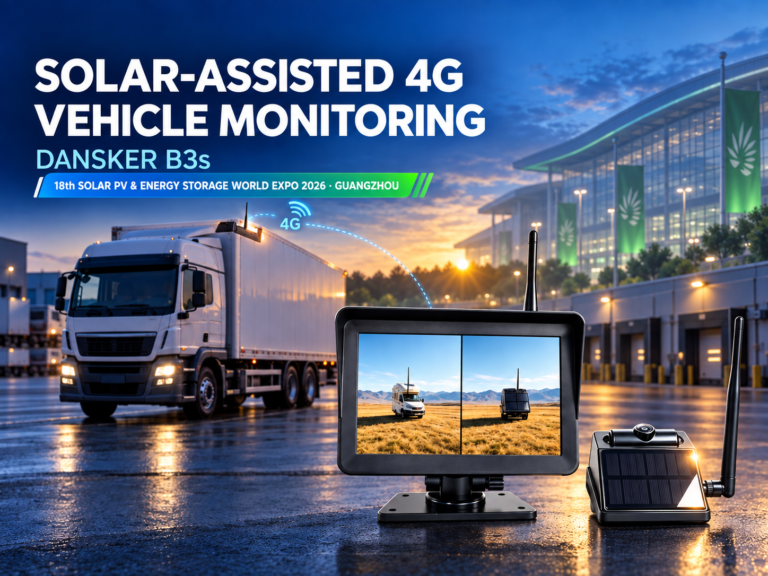
For fleet managers, the 140° flat lens is the industry standard for five main reasons:
- BOM Cost Efficiency: These lenses are mass-produced and reliable. This keeps the Bill of Materials (BOM) low for large-scale deployments.
- Installation Standards: It is easy to train technicians to install 140° cameras. The wide angle is forgiving, so slight mounting tilts don’t ruin the footage.
- Standardized Calibration: Managing a fleet is easier when every vehicle has the same FOV. One software platform can analyze data from all trucks without custom adjustments.
- Durability: Flat lenses are easier to seal against dust and vibration compared to bulging ultra-wide optics.
- The Downside: The only drawback is the blind spot. A single 140° camera cannot see objects directly next to the driver’s door. This requires additional side cameras for full 360° coverage.
Key Takeaways
| Core Pillar | Technical Focus | Strategic Benefit |
| Image Clarity | High Pixel Density | Ensures license plates and road signs are readable at a distance. |
| Hardware Reliability | 6G All-Glass Optics | Prevents thermal shift and focus blurring in extreme heat or cold. |
| Software Processing | LDC & ISP Tuning | Straightens barrel distortion to provide realistic, flat evidence. |
| Legal Compliance | GDPR & Mounting Laws | Protects privacy and meets windshield safety rules in the US and EU. |
| Fleet Management | Uniform FOV Standard | Simplifies AI training and data analysis across a large vehicle fleet. |
| Operational Value | High ROI Ratio | Delivers the best balance between hardware cost and safety performance. |
Engineering Summary
In conclusion, the 140° flat lens is the backbone of professional dash cam design at DANSKER. It is the only field of view that avoids extreme “fisheye” distortion while maintaining the pixel density required for legal evidence. By combining all-glass hardware, LDC software correction, and strict regional compliance, we provide a tool that is not just a camera, but a reliable data source for insurance, legal, and fleet management needs. For the professional driver and fleet owner in North America and Europe, 140° is the standard for precision and reliability.