By: [William/Senior Engineering Lead at DANSKER]
From Monitoring to Mentoring: Elevating HMI in Next-Gen Dash Cams
The automotive industry is currently undergoing a massive digital transformation. For a long time, the dash cam was seen only as a simple recording tool. It was a “black box” that people only cared about after an accident happened. However, in the modern European and American markets, consumers now expect more from their vehicle electronics. They want devices that feel integrated, smart, and, most importantly, human. At DANSKER, we recognize that the hardware is only one part of the equation. The true value lies in the Human-Machine Interface (HMI).
We are moving away from the old model of “driver monitoring,” which often felt like constant surveillance. Instead, we are entering the era of “driver mentoring.” This means our devices do not just watch the driver; they support the driver. By using advanced embedded systems and Artificial Intelligence, we can create a relationship between the car and the human. We focus on empathy and clarity. This introduction explores how we use professional software design and hardware R&D to turn a cold electronic gadget into a helpful digital companion. We want every DANSKER user to feel like they have an expert co-pilot sitting right next to them on every journey.
1. The Psychology of Alerts: Moving Beyond the “Beep”
In traditional Advanced Driver Assistance Systems (ADAS), fatigue detection often triggers a sharp, high-decibel alarm. While effective at waking a driver, it also increases cortisol levels. This creates “alarm fatigue.” When a device screams at a driver, the driver often becomes frustrated. They may even turn the safety features off.
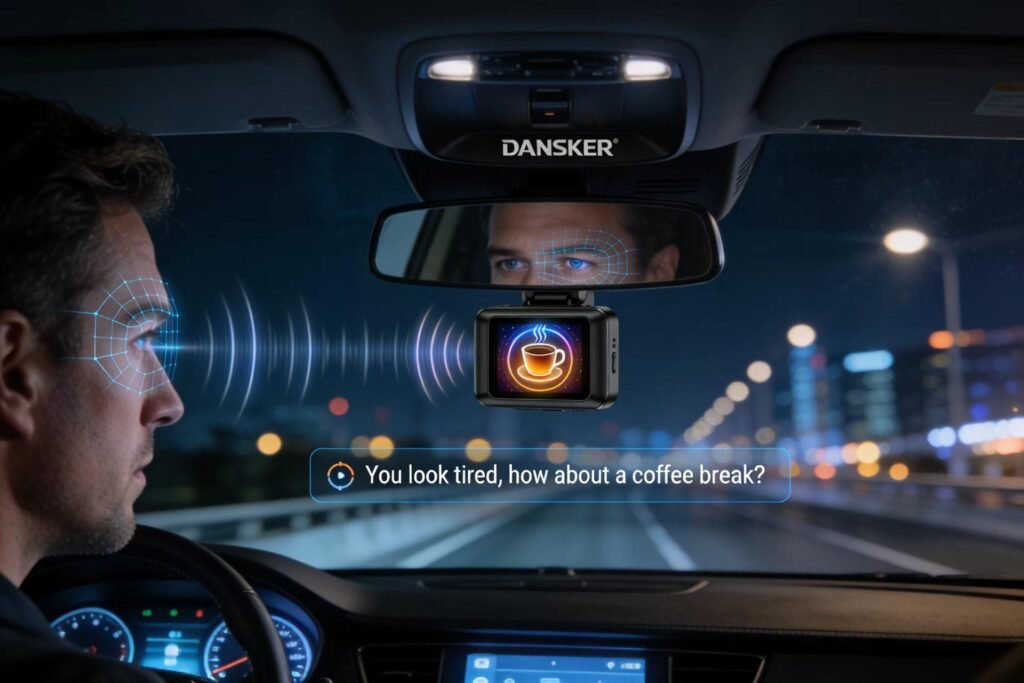
At DANSKER, we are refining our Driver Monitoring Systems (DMS). Instead of a “screaming” alert, our software uses Natural Language Generation (NLG). Our cameras use high-speed image signal processing (ISP) to track eye-blink frequency and head posture. If the internal camera detects signs of drowsiness, the device offers a calm, verbal suggestion: “It looks like you have been on the road a while. How about a quick break at the next stop?” This transforms the device from a strict supervisor into a helpful co-pilot. By using soft, human-like tones, we lower the driver’s stress. This keeps the driver’s heart rate steady while still providing the necessary safety warning.
2. Personalized UX: The “Old Friend” Experience
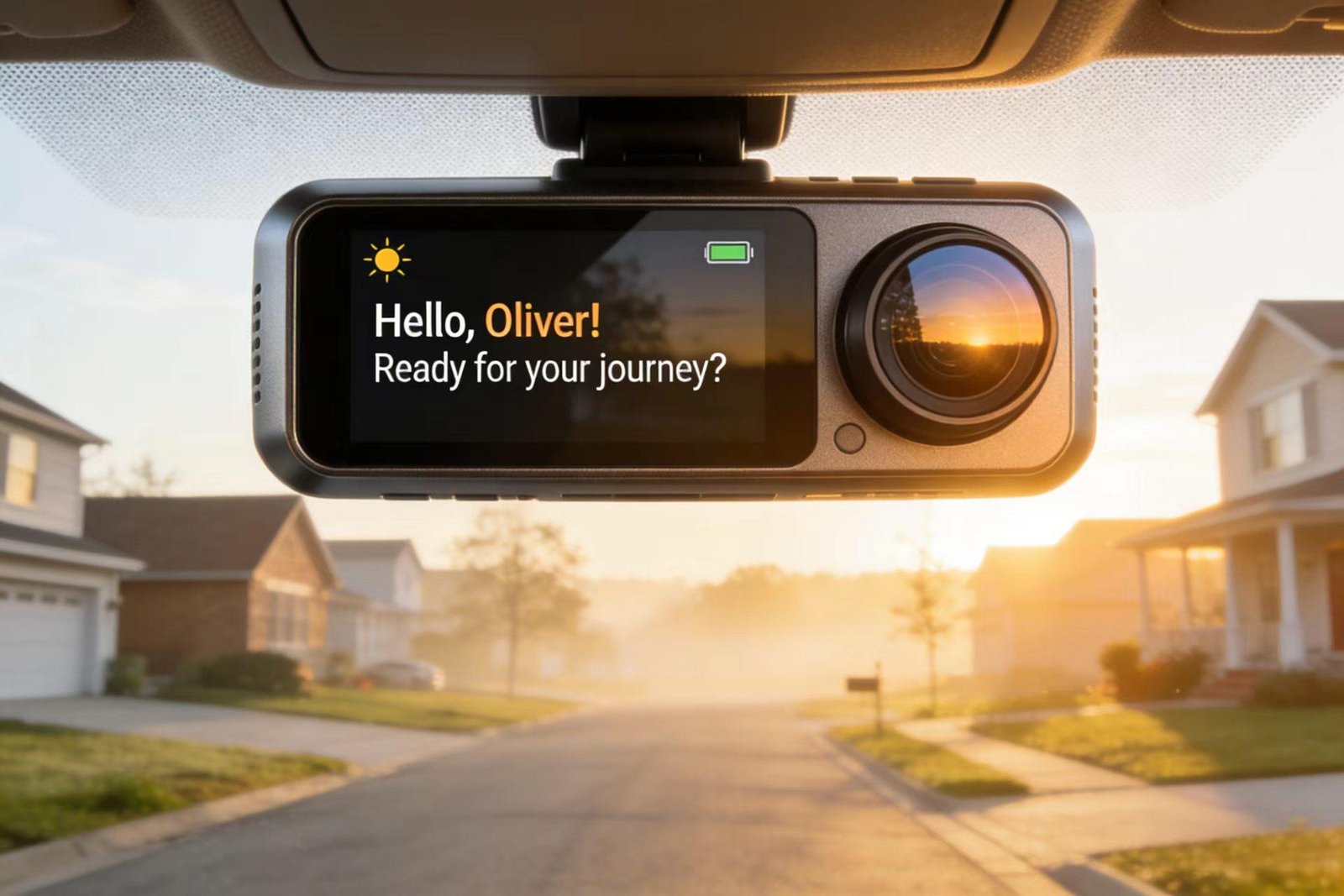
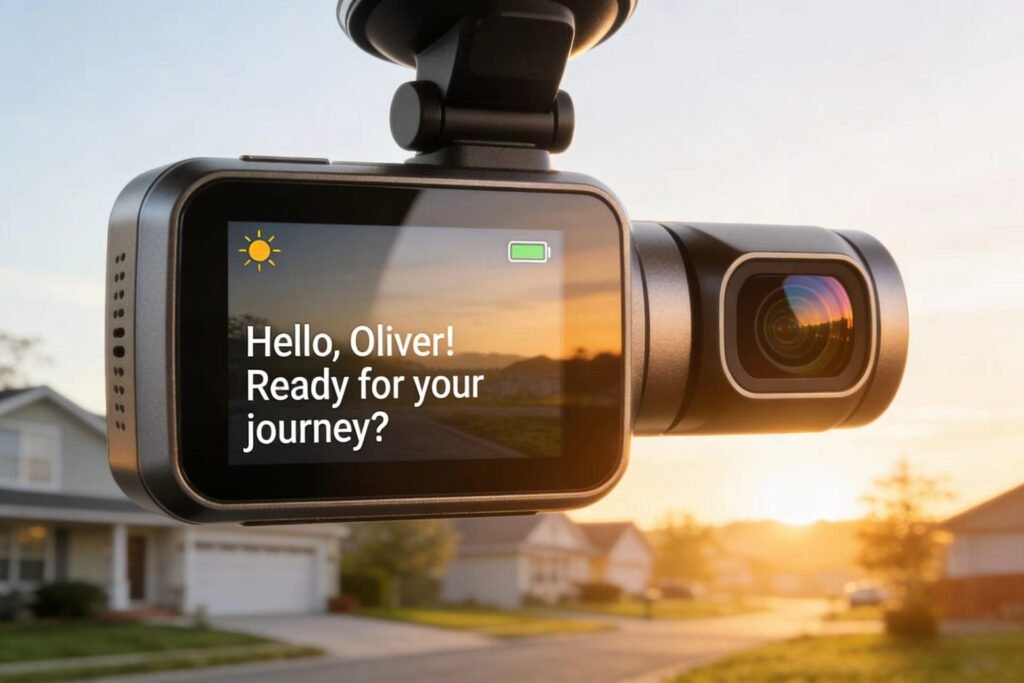
The first 30 seconds of a drive set the tone for the entire trip. We are moving past generic boot-up screens. Through embedded software optimization, DANSKER units can now deliver personalized greetings and data snapshots.
- The Welcome: “Good morning! You have driven 120 miles this week with an 18% improvement in fuel efficiency.”
- The Value: This is not just a greeting. It uses CAN bus data integration to provide real-time feedback.
Our hardware engineers design these units to wake up instantly using low-power standby modes. When the ignition turns on, the system is ready. By showing the driver their progress, we create a positive feedback loop. It rewards safe driving habits rather than just punishing bad ones. This creates a sense of partnership between the human and the machine.
3. Advanced HMI Scenarios: Three New Examples
To truly move toward “mentoring,” we have developed three additional HMI scenarios that use our latest SoC (System on Chip) capabilities.
A. The “Eco-Coach” Interaction
Our dash cams link to the vehicle’s engine data. If the system detects aggressive acceleration or heavy braking, it does not just log a “harsh event.” Instead, the screen displays a soft green glow. A friendly voice might say: “Smooth driving today can save you 10% on fuel. Great job on that last turn.” This real-time coaching helps the driver adjust their behavior in the moment. It turns a boring commute into a game of efficiency.
B. Intelligent Weather and Road Context
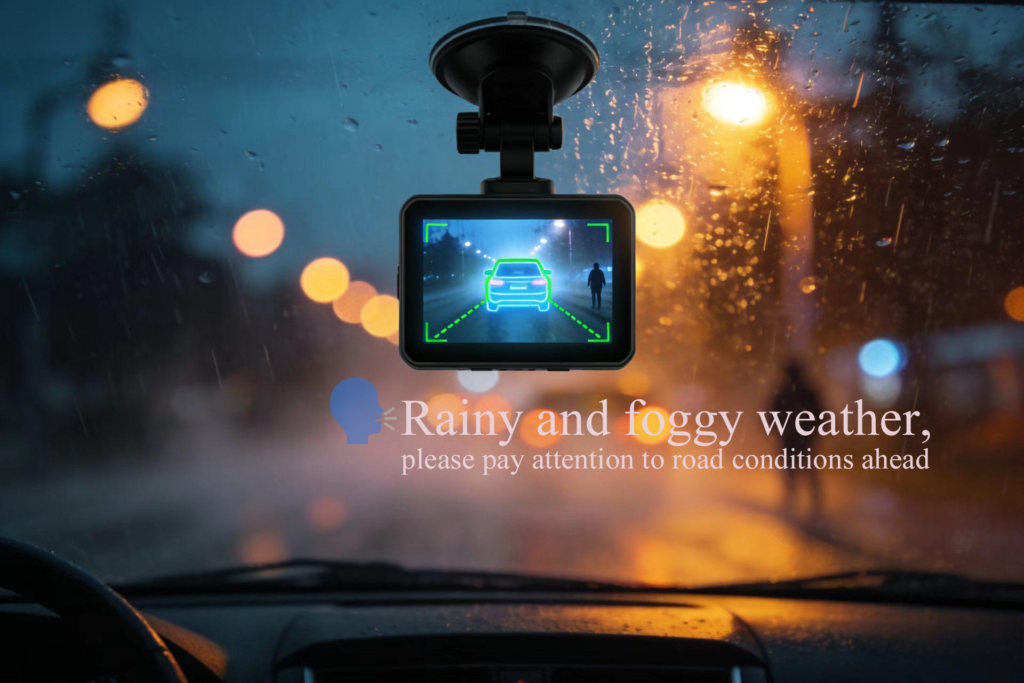
Using GPS and LTE connectivity, DANSKER devices check local weather reports. If the camera detects rain via its optical sensors and the weather API confirms a storm, the HMI changes. It might say: “The roads are slippery ahead. I will increase our following distance alerts for you.” This shows the driver that the device understands the environment. It builds trust because the device is acting as an extra set of eyes, not just a recorder.
C. Post-Trip “Digital Handshake”
When the driver reaches their destination and turns off the engine, the device stays on for a few seconds using an internal supercapacitor. It provides a brief summary: “Great trip! Your safety score was 95 today. Have a wonderful evening.” This final interaction leaves the driver with a positive feeling. It reinforces the idea that the dash cam is a “digital companion” that cares about their well-being.
4. Why HMI Matters for Fleet Management
For commercial fleets, HMI design is a game changer. Traditional fleet cameras often make drivers feel spied on. This leads to high turnover and low morale. DANSKER’s mentoring approach changes this dynamic.
- Driver Retention: Drivers prefer a “coach” over a “spy.” Friendly HMI reduces the “Big Brother” feeling. When drivers feel supported, they stay with the company longer.
- Reduced Training Costs: Automated mentoring means the fleet manager spends less time reviewing footage. The device corrects the behavior on the road in real time. This lowers the need for intensive classroom training.
- Lower Insurance Premiums: Insurance companies love proactive safety. Our data shows that drivers respond better to friendly reminders than loud beeps. This leads to fewer accidents and lower claims.
- Data Accuracy: When drivers trust the HMI, they are less likely to block the camera lens or tamper with the hardware. This ensures that the fleet manager always has high-quality data.
5. Context-Aware Interaction and Edge Computing
True HMI excellence means the device understands the environment. Using edge computing and computer vision, our dash cams can distinguish between a minor lane drift and a dangerous maneuver.
By prioritizing haptic feedback (like a gentle vibration) or soft audio cues over loud sirens, we reduce driver distraction. We focus on “glanceable” UI design. This means the icons are large, high-contrast, and easy to read in one second. This ensures the driver stays focused on the Dynamic Driving Task (DDT) while still receiving essential information. Our hardware uses high-brightness IPS panels so the screen is clear even in direct sunlight.
Core Pillars of DANSKER HMI Innovation
| Key Focus Area | Design Philosophy | Technical Implementation | Value Proposition |
| Cognitive Safety | From “Alarming” to “Informing” | Natural Language Generation (NLG) & Driver Monitoring Systems (DMS) | Reduces driver stress and prevents “alarm fatigue” by using calm, verbal cues. |
| Personalized UX | The “Old Friend” Welcome | CAN bus integration & Optimized Embedded Boot-up | Builds a positive emotional connection and rewards safe driving habits from the start. |
| Contextual Awareness | Smart Environmental Sensing | Edge Computing & Computer Vision (Optical Sensors) | Provides relevant safety advice based on real-time weather and road conditions. |
| Fleet Mentorship | Coaching vs. Surveillance | Automated Real-time Feedback & NPU Processing | Increases driver retention and lowers operational costs by acting as a digital coach. |
Conclusion
The future of DANSKER is empathetic technology. By combining our expertise in hardware R&D with a user-centric design philosophy, we are making the road safer and more pleasant. We use the latest ARM-based processors and neural processing units (NPU) to make these interactions instant and smooth.
We are not just building cameras; we are building digital companions. In the European and American markets, where user experience is the top priority, DANSKER is leading the way. We believe that when technology treats a driver with respect, the driver treats the road with more care.