By: [Lucas/Senior Engineering Lead at DANSKER]
The automotive electronics industry is moving toward more natural human-machine interfaces. For years, dash cams relied on simple “beeps” or basic English commands to alert drivers. However, in the high-stakes environment of European and North American roads, these generic sounds often fail to trigger the necessary cognitive response. At DANSKER, we recognize that a dash cam is not just a recording device. It is an active safety assistant. When a device detects a Forward Collision Warning (FCW) or a Lane Departure Warning (LDW), every millisecond counts. A driver in Munich or Madrid should not have to translate an English phrase in their head during a crisis. By integrating localized voice synthesis, we bridge the gap between machine detection and human action. This shift represents a move from passive monitoring to active, intuitive protection. It ensures that our technology feels like a local co-pilot rather than a foreign accessory.
The technical implementation of localized voice alerts involves a complex synergy between Advanced Driver Assistance Systems (ADAS) algorithms and embedded audio processing. When the Image Signal Processor (ISP) identifies a hazard, the system triggers a specific interrupt in the firmware. In a standard dash cam, this might play a generic “Watch out” file. In a premium DANSKER product, the system selects a high-fidelity Pulse Code Modulation (PCM) file in the user’s native tongue.
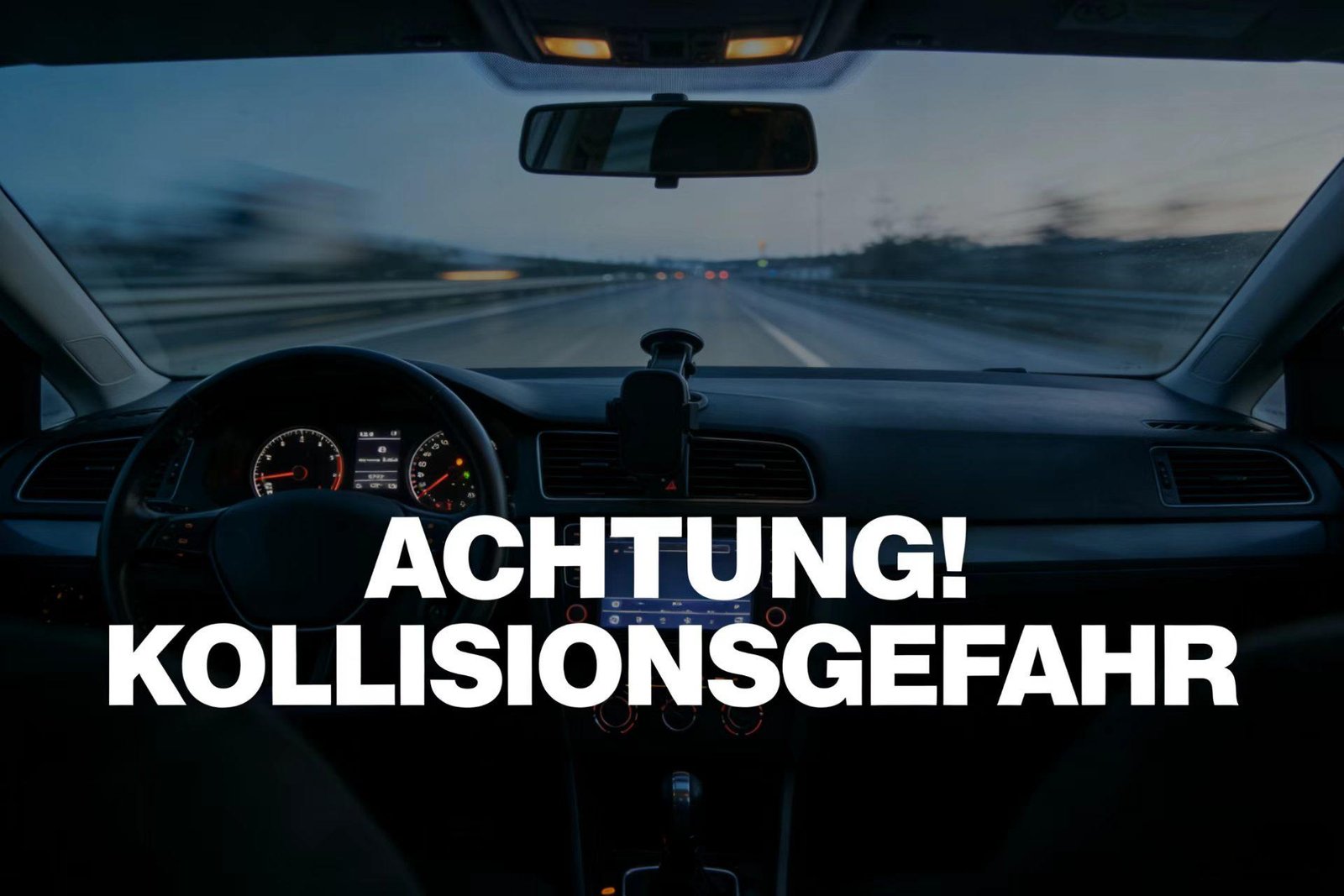
The primary advantage of this localization is the reduction of cognitive load. In cognitive psychology, “processing fluency” refers to the ease with which the brain understands information. If a German driver hears “Achtung! Kollisionsgefahr,” their brain processes the danger instantly. If they hear the English equivalent, there is a tiny but measurable delay as the brain decodes the second language. In high-speed scenarios, this delay can be the difference between a near-miss and a collision.
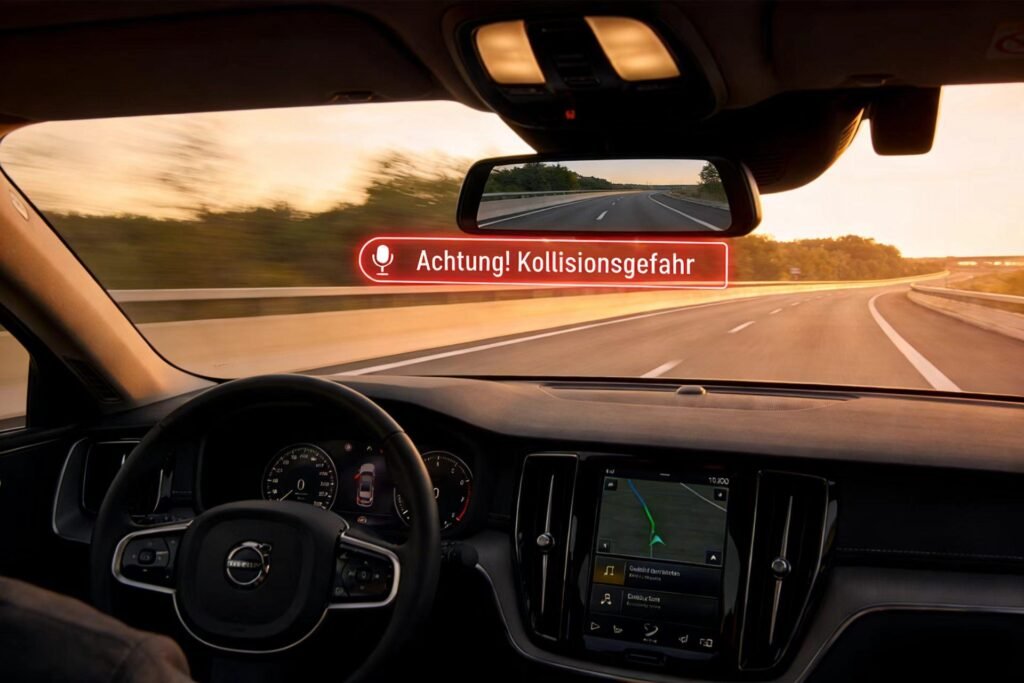
Furthermore, localized alerts improve the User Experience (UX) and brand loyalty. The European market is fragmented by language. A product that speaks fluent French, Italian, or Spanish shows a commitment to the local consumer. It removes the “cheap import” feel that many generic electronics possess. From an engineering perspective, this requires a robust flash memory management system to store various high-quality language packs without compromising the video buffer. We also use specialized audio power amplifiers to ensure the voice is clear even over loud road noise or music. This localized approach also accounts for regional nuances in tone. For example, North American users may prefer a helpful, friendly tone, while Northern European users often prefer a direct, authoritative voice for safety warnings. By fine-tuning these “Audio HMI” elements, DANSKER provides a product that feels deeply integrated into the vehicle’s ecosystem. This is not just about translation; it is about cultural engineering and safety optimization.
Key Advantages of Localized Voice Integration
| Feature | Technical Benefit | Market Value |
| Reduced Cognitive Load | Native language alerts (e.g., German or French) bypass the brain’s translation delay, allowing for instant reaction to hazards. | Increases the safety rating and reliability of the device in the eyes of European consumers. |
| Processing Fluency | High-fidelity PCM audio files ensure clear communication of ADAS triggers (FCW/LDW) even in noisy cabin environments. | Eliminates the “cheap import” feel of generic English-only devices, positioning DANSKER as a premium brand. |
| Cultural Engineering | Tone-specific voice packs cater to regional preferences, such as authoritative alerts for Northern Europe or helpful tones for North America. | Enhances User Experience (UX) and fosters deeper brand loyalty through localized Human-Machine Interface (HMI) design. |
| System Integration | Advanced memory management allows for multiple language packs without affecting the video buffer or recording stability. | Demonstrates superior hardware and software synergy, separating DANSKER from budget competitors. |
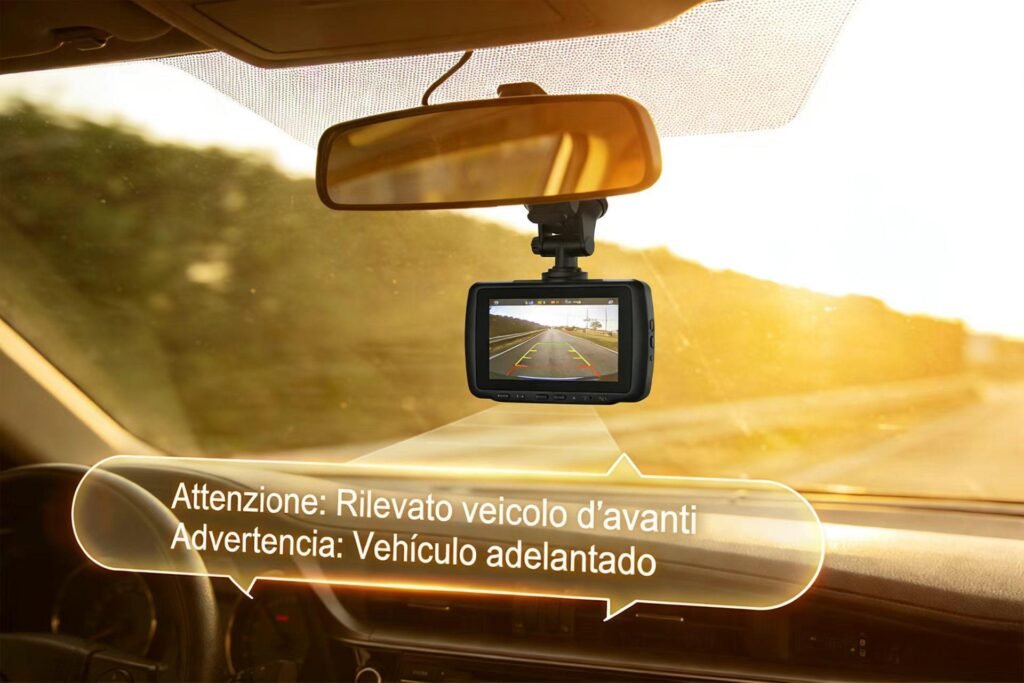
In conclusion, moving away from universal English alerts is a vital step for any high-end automotive brand. Localized voice integration provides immediate safety benefits by speeding up driver reaction times. It also builds a stronger emotional connection between the user and the DANSKER brand. As we continue to develop smarter hardware, the way our devices communicate will be just as important as the quality of the video they record. Investing in native language support is an investment in human safety and market leadership across the European and American regions.