By: [Lucas/Senior R&D Engineer at DANSKER]
The automotive electronics industry is facing a major challenge today. Fleet managers want to use Driver Monitoring Systems (DMS) to improve safety. They need to know if a driver is distracted by a phone, smoking, or showing signs of fatigue. These behaviors cause many accidents and increase costs for companies. However, privacy laws are becoming much stricter. In the United States, real-time monitoring is often accepted as a professional safety tool. In contrast, European regions like Germany and Scandinavia have very high standards for data protection. The General Data Protection Regulation (GDPR) and local labor unions strictly limit the use of facial recognition and live video feeds. As an R&D engineer, I see this conflict every day. We must find a way to provide essential safety data without infringing on the personal rights of the driver. This blog will explore how smart hardware design and edge computing can bridge the gap between operational oversight and legal compliance in the global market.
The Technical Shift: Edge Processing and Thermal Innovation
To solve the privacy problem, we must move away from traditional video recording. Standard cameras capture high-definition images of a driver’s face. This creates a “privacy risk” because the data includes identifiable biometric features. In Europe, storing or uploading this data often requires complex legal justification. A professional solution is to perform Edge Computing directly on the dash cam hardware. Instead of sending a raw video file to the cloud, the device processes the image locally. The system only outputs “event triggers” or “metadata.” For example, the camera detects the motion of a hand reaching for a phone. It then sends a simple text alert to the fleet manager: “Distraction Detected.” No actual image of the driver’s face ever leaves the device. This “Data Minimization” approach is a core principle of GDPR. It provides the fleet manager with the necessary facts while keeping the driver’s identity private.


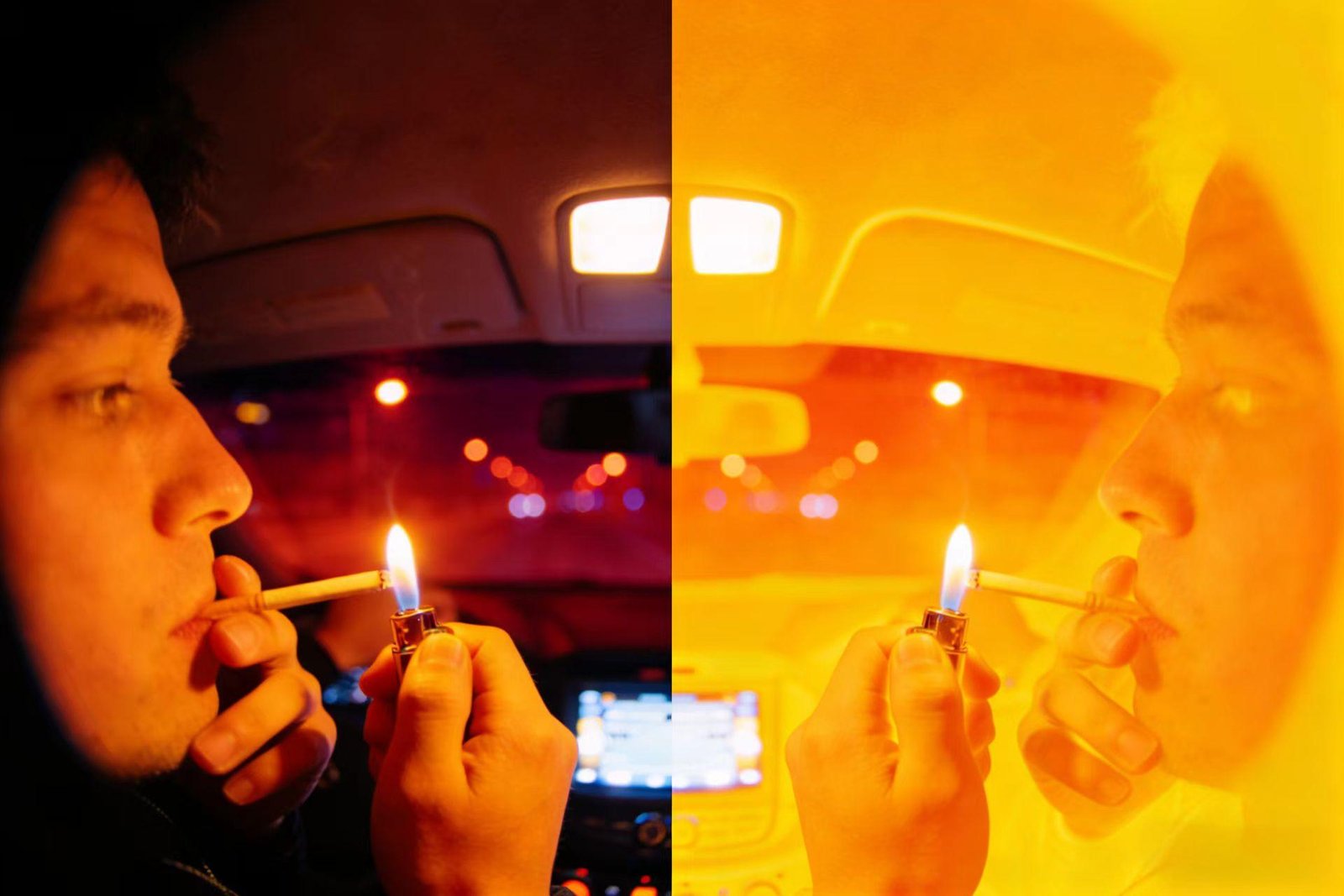
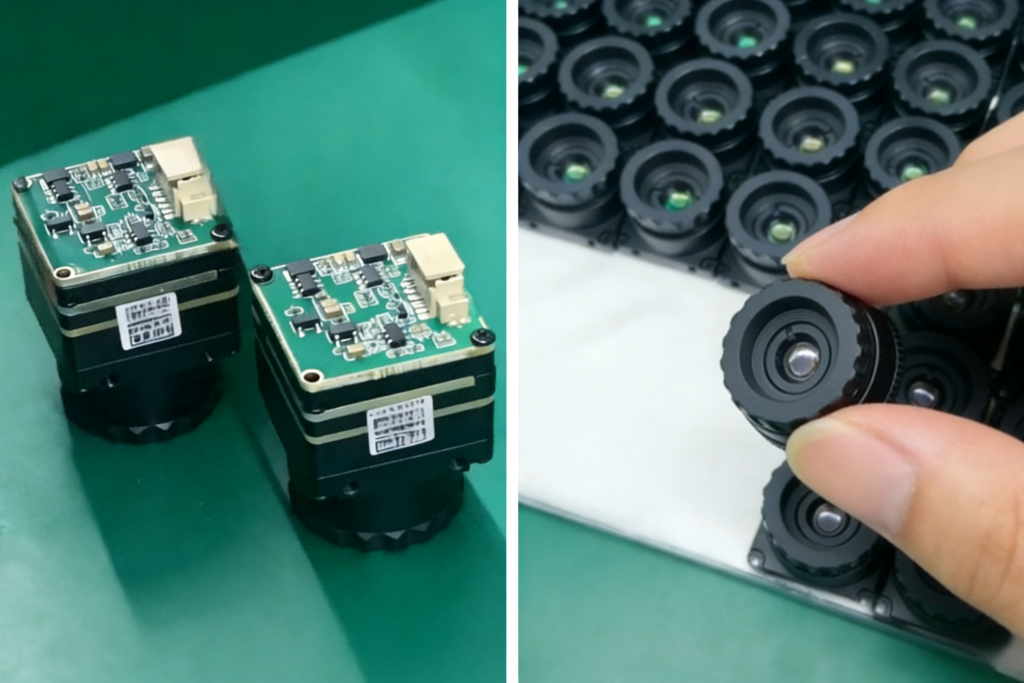
Another advanced hardware strategy involves Thermal Imaging Sensors or Infrared (IR) Depth Mapping. Traditional RGB cameras see color and detail. Thermal sensors see heat patterns. A thermal-based DMS can detect the heat signature of a lit cigarette or the closed eyes of a fatigued driver. However, the resulting image is a low-detail heat map. It does not show the specific facial features needed for human identification. We can also use Feature Point De-identification. In this process, the hardware converts the human face into a series of mathematical dots or a “skeleton model.” The AI tracks these dots to check for yawning or head drooping. By the time the data reaches the server, it is no longer a video of a person. It is a stream of anonymous coordinates. This “Anonymization at the Source” is extremely valuable. It allows DANSKER to sell the same hardware platform in both Texas and Berlin with only minor software configuration changes.
Maximizing Operational Efficiency Through Privacy
Adopting “Privacy-by-Design” provides massive practical benefits for fleet operations. First, it simplifies global fleet management. A company can use the same DANSKER hardware across the US and Europe without changing their legal policy. This saves time and money on legal consultations. Second, it reduces data storage costs. Metadata and text alerts use much less bandwidth than 4K video streams. Third, it improves driver retention and morale. Drivers are more likely to stay with a company if they do not feel “watched” by a human eye. Finally, it reduces insurance premiums. Insurance companies value the “Safety Result” of DMS, but they also want to avoid the liability of sensitive data leaks. By removing facial ID, we remove the risk of a data breach. This makes the entire business more stable and secure.
Core Innovation & Value Points:
| Focus Area | Technical Strategy | Key Operational Benefit |
| Privacy Compliance | Edge Computing & Metadata: Processes video locally on the device; only sends text-based event triggers (e.g., “Fatigue Detected”) to the cloud. | Ensures full GDPR compliance in Europe and the UK by avoiding the upload of identifiable biometric data. |
| Identity Protection | Thermal Imaging & IR Depth: Uses heat signatures or 3D point clouds instead of high-definition RGB video to monitor driver behavior. | Prevents “Personal Identification” while still accurately detecting smoking, phone use, and distracted driving. |
| Global Scalability | Software-Defined De-identification: A single hardware platform (DANSKER S-Series) can be configured for different regional legal requirements. | Reduces R&D and inventory costs by allowing one product to serve both the North American and European markets. |
| Operational Efficiency | Bandwidth & Liability Reduction: Minimizes data transmission size and removes the risk of storing sensitive facial recordings. | Lowers cellular data costs and protects the company from legal liability in the event of a server data breach. |
Conclusion: The Future of Responsible Monitoring
In summary, the future of dash cam technology lies in the balance of power and restraint. We do not need to choose between saving lives and protecting privacy. By using edge AI and thermal sensors, we can create a “blind” system that still “sees” danger. This transition from raw surveillance to intelligent data analysis is the only way to succeed in the European and North American markets simultaneously. DANSKER is committed to developing these “Privacy-First” hardware solutions. We will continue to innovate so that every fleet manager gets the data they need while every driver keeps the privacy they deserve.