By: [Leo /Brand Operations at DANSKER]
Commercial vehicles now need more than a camera that records while the engine is running. Fleet operators need a system that can protect cargo, support safer driving, provide location visibility, and continue working when the vehicle is parked.
This need changes the power design of the vehicle camera. A solar-assisted power system can reduce the dependence on the vehicle starter battery, fixed wiring, and manual recharging. It can also make deployment easier across mixed fleets.
DANSKER explored this direction at the 18th Solar PV & Energy Storage World Expo 2026 in Guangzhou. The event took place from 16 to 18 September at Area B of the China Import & Export Fair Complex. It brought solar, battery, energy-storage, charging, and control-system suppliers into the same technical environment.

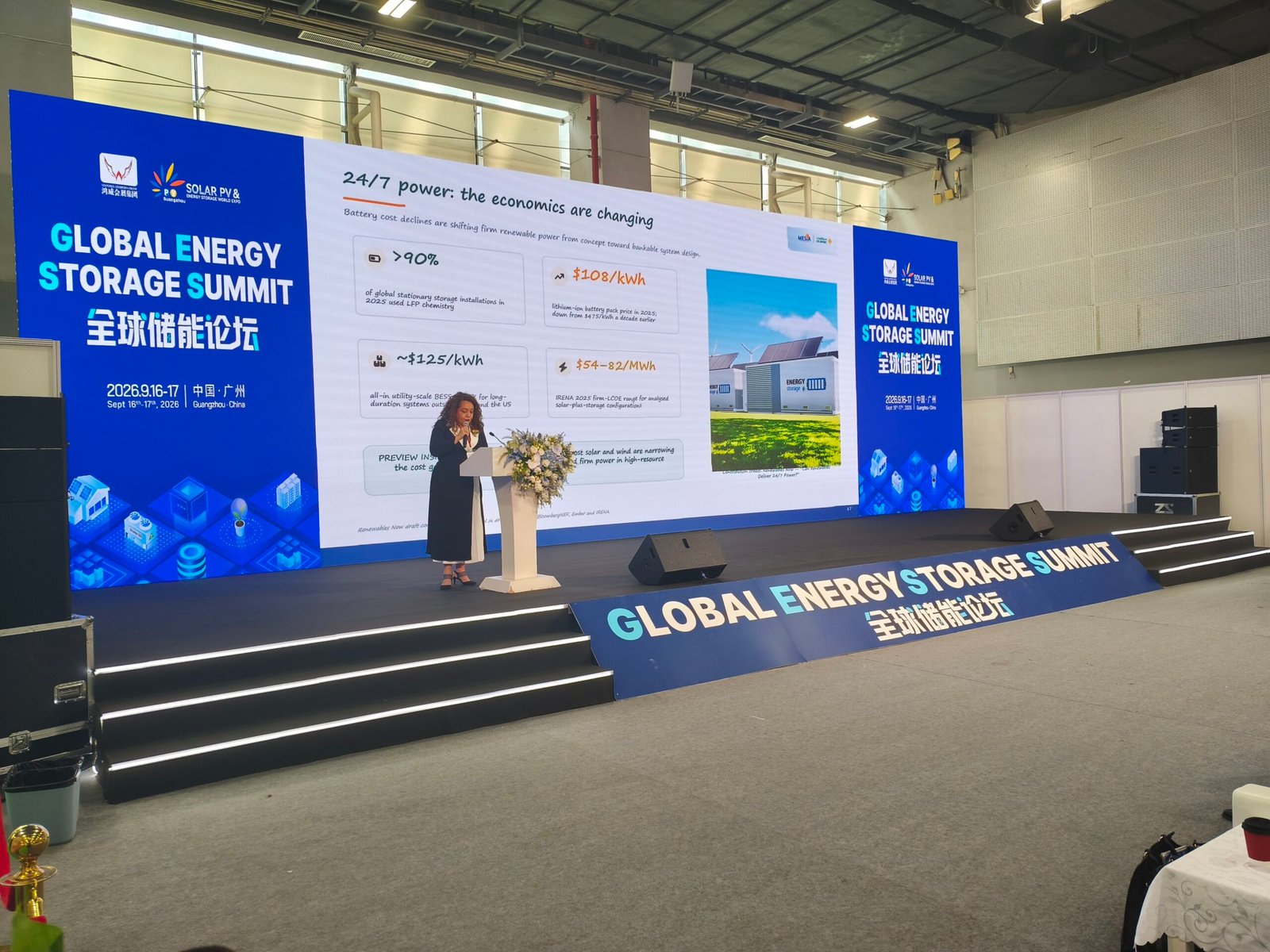

During the event, the DANSKER team held technical discussions with solar and power-system exhibitors. The focus was clear: how can solar power better support commercial vehicle monitoring in real operating conditions? The answer is not simply to add a solar panel. A useful system must balance energy input, battery storage, camera load, wireless transmission, safety functions, and installation requirements.
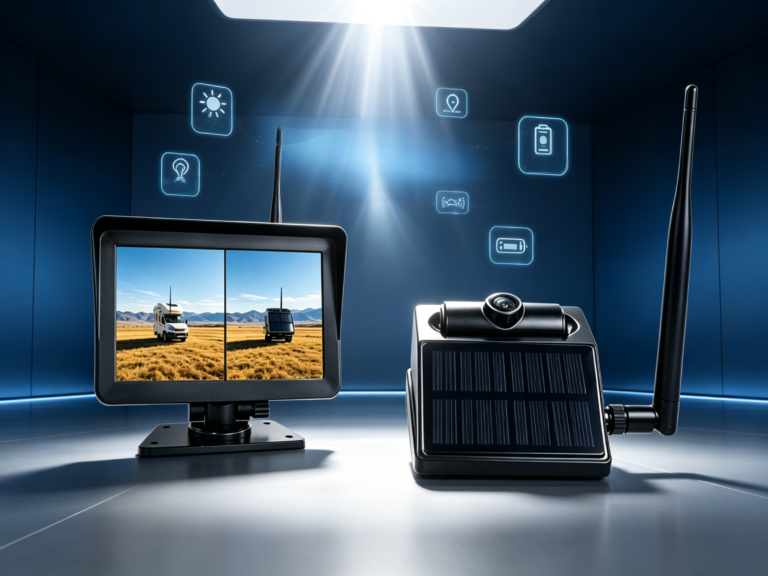
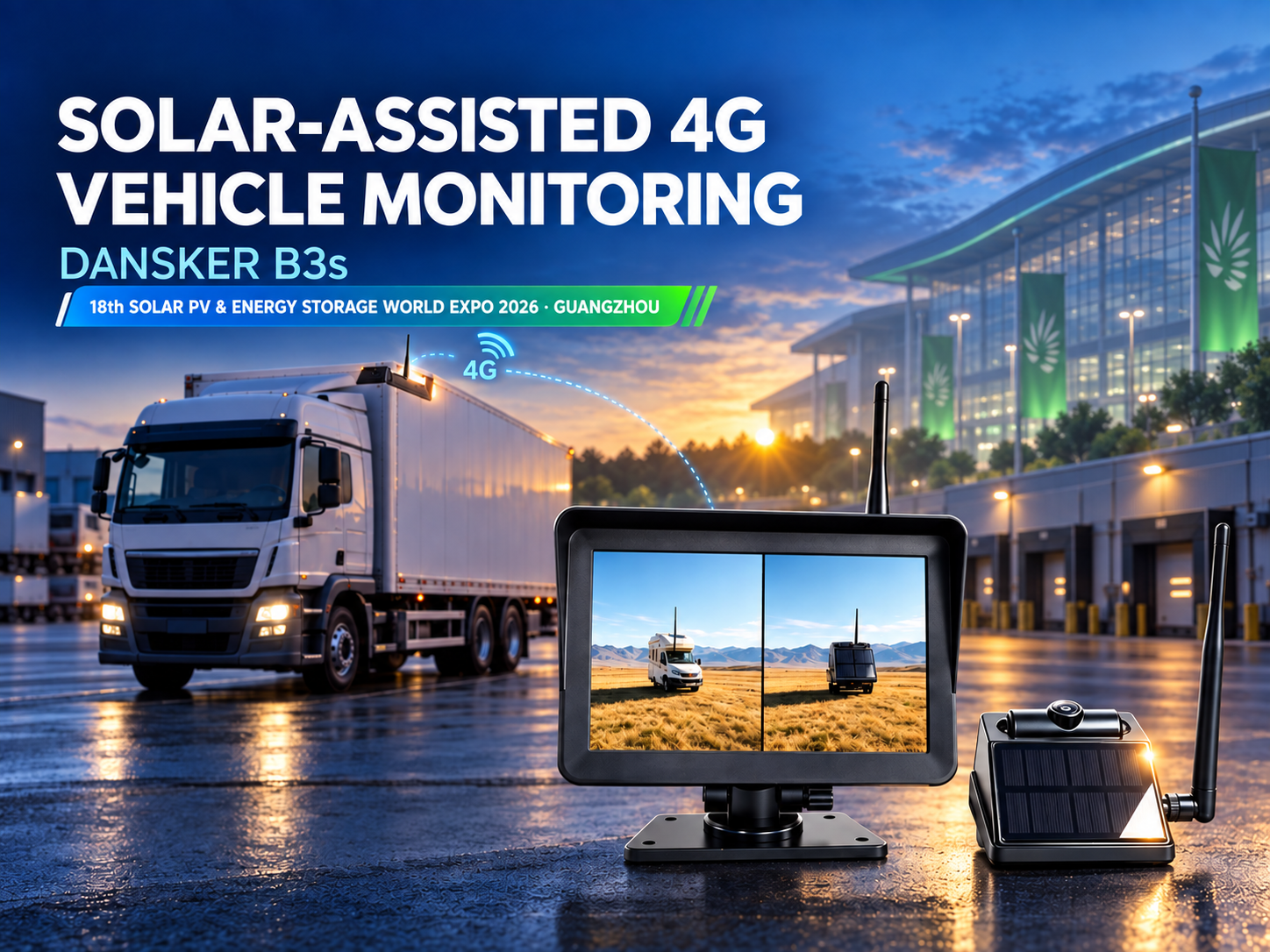
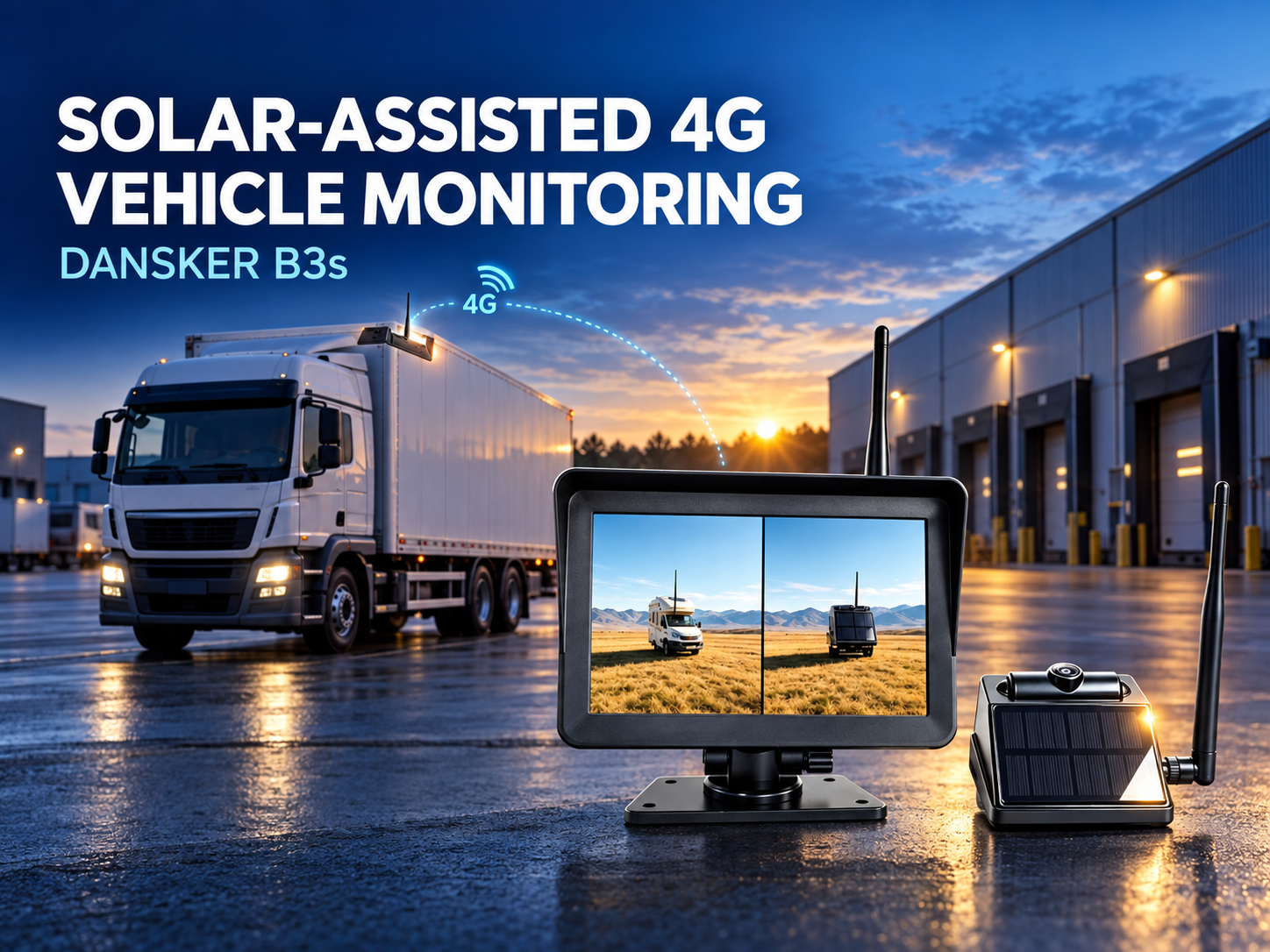
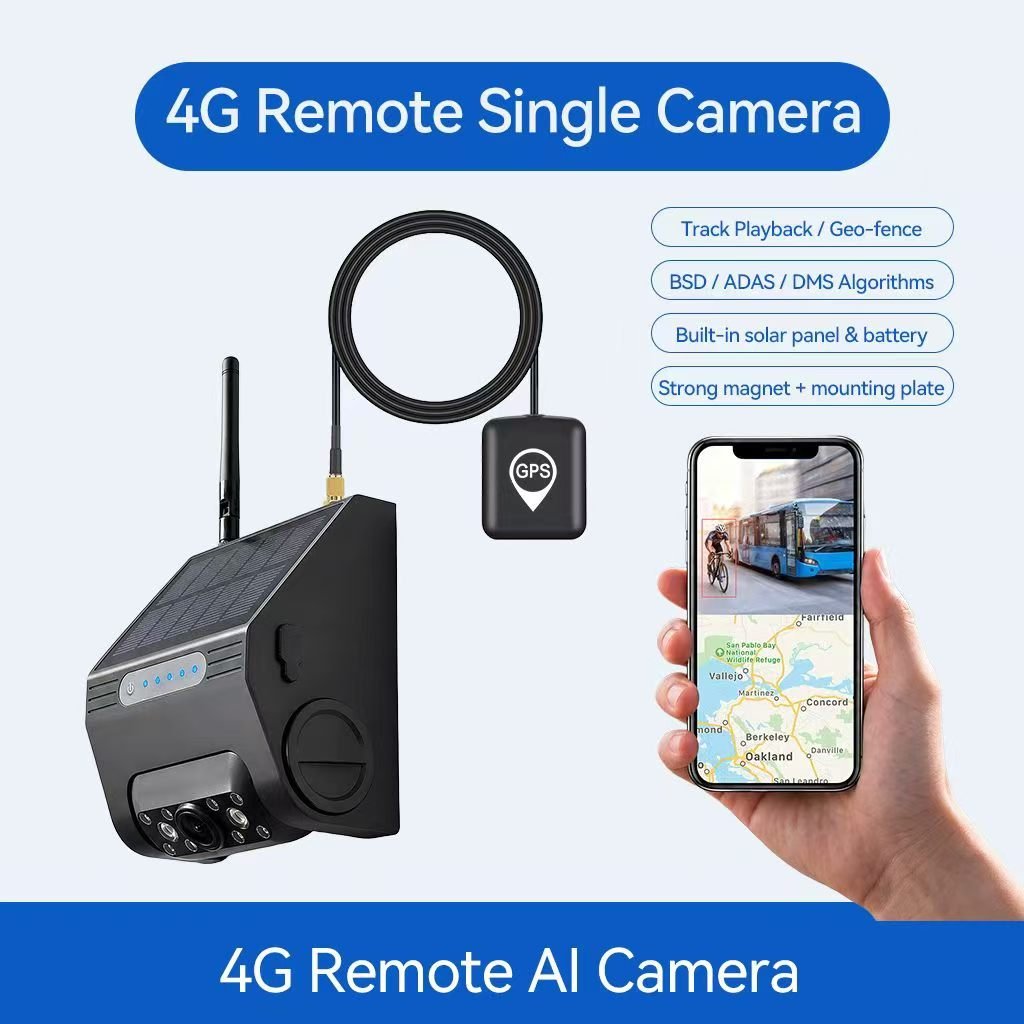
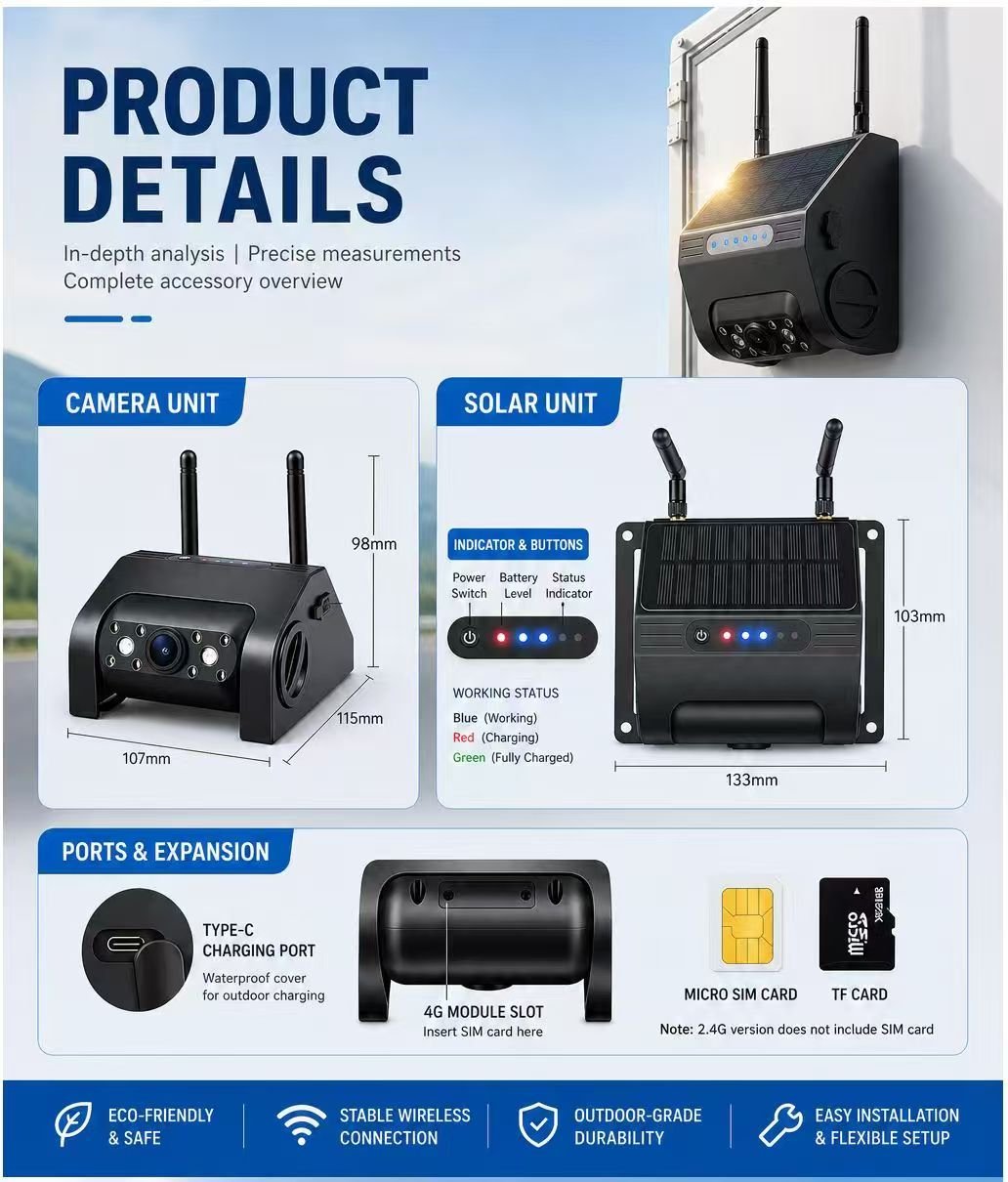
DANSKER B3s reflects this product direction. B3s is a waterproof, solar-assisted 4G vehicle camera host for commercial vehicles. It supports remote monitoring, live location, Wi-Fi configuration through a mobile app or web page, magnetic installation, and tamper alerts. It also supports ADAS, DMS, BSD, pedestrian alerts, and cargo-monitoring applications.
Here are six reasons why solar-assisted power is becoming an important upgrade path for commercial vehicle camera systems.
1. Parked vehicles still need protection
A conventional dash camera often depends on ignition power or a hardwired connection to the vehicle electrical system. This approach works for driving records. However, it can limit monitoring when a vehicle is parked.
Commercial vehicles often face risk during loading, unloading, overnight parking, roadside stops, or depot storage. Cargo can be exposed. Blind-side activity can be missed. A vehicle can also be disconnected from its normal power source.
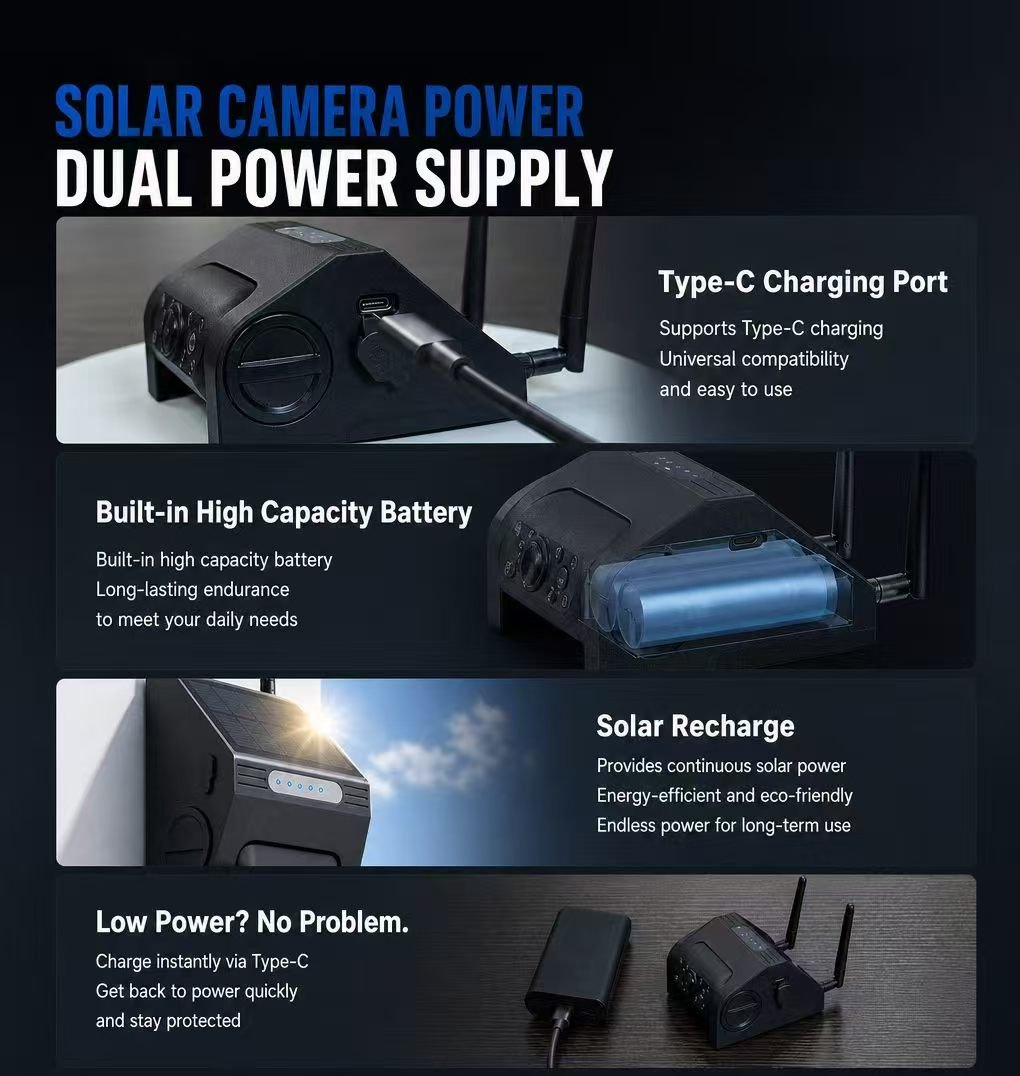
A solar-assisted camera system can provide charging support during daylight. It can help the system remain available for planned monitoring periods without drawing all operating energy from the starter battery. This design supports a more flexible parked-monitoring strategy.
The system still needs realistic energy management. Solar output changes with weather, season, panel angle, dirt, shading, and parking location. Therefore, a reliable product must combine solar input with an onboard battery, low-power operating logic, and clear battery protection.
2. Solar power can reduce pressure on the vehicle battery
A vehicle starter battery has one primary job: starting the vehicle. Long periods of camera operation can place additional load on that battery, especially when the vehicle is not driven often.
Fleet operators need to avoid a situation where security equipment affects vehicle availability. Solar-assisted charging creates a separate source of energy replenishment for the camera system. It does not remove the need for correct power design. However, it can reduce the need to rely only on the vehicle electrical system.
This is especially useful for trailers, delivery vehicles, work trucks, temporary fleets, and other assets that may sit for long periods. It also supports simpler deployment where hardwiring is difficult or not preferred.
3. Easy installation can improve fleet rollout
Installation time matters to fleets and channel partners. Hardwired camera systems may require access to vehicle power circuits, cable routing, fuse protection, and trained installers. These steps can increase downtime and labour cost.
B3s supports magnetic installation. This approach can help installers position and deploy the unit more quickly on suitable vehicle surfaces. The system also supports Wi-Fi connection for mobile-app and web-based parameter setup. This can make configuration more practical during field deployment.
A magnetic solution still requires a proper installation check. The installer must confirm surface condition, mounting position, cable safety where applicable, camera view, and local operating conditions. The value is not “installation without responsibility.” The value is a simpler and more repeatable deployment process.
4. 4G connectivity turns video into fleet visibility
Recording video is useful after an incident. Remote connectivity adds value before and during an incident.
B3s supports 4G connectivity and can connect independently to a platform. This allows authorised users to access remote monitoring and live location functions. Fleet managers can use this visibility to support operations, review alerts, and respond to exceptions.
The system also supports a SIM card and TF-card storage workflow. This combination can support local video retention while the network provides remote access and event communication. The final platform design should define video retention, user permissions, network use, and data-security controls.
For fleets in the United States, United Kingdom, and European Union, remote video systems also require a clear privacy process. Fleet operators should define why cameras are used, who can access footage, how long data is kept, and how driver and pedestrian data is handled.
5. AI alerts can support safer commercial operation
Commercial vehicles have large blind areas. They also operate around pedestrians, cyclists, loading bays, and busy urban streets. A camera system can become more useful when it supports active warnings, not only passive recording.
B3s supports ADAS, DMS, BSD, and pedestrian-alert functions.
- ADAS can support warnings related to driving risk.
- DMS can support monitoring of driver-related risk indicators.
- BSD can support blind-spot awareness.
- Pedestrian alerts can support risk awareness around vulnerable road users.
- Cargo monitoring can help operators observe the vehicle load area and investigate events.
These functions should support the driver and fleet process. They should not replace driver judgement, vehicle mirrors, direct observation, training, or safe driving procedures. Fleet teams should also validate alert settings for their vehicle type, routes, and operating environment.
6. The real upgrade is an energy-managed camera platform
The strongest solar vehicle camera products are not defined by the panel alone. They are defined by the complete energy system.
The system needs a battery that supports the intended duty cycle. It needs charging control that manages solar and USB-C input. It needs protection against overcharge, deep discharge, and temperature-related battery risk. It also needs firmware that can balance recording, wireless transmission, standby time, and alert response.
B3s uses solar charging and also supports USB-C charging. This dual-input approach gives operators a practical backup option when sunlight is limited. DANSKER states that the unit can operate for up to 15 hours on a full charge. Actual operating time will depend on active functions, network activity, video use, solar conditions, battery condition, and ambient temperature.
This is the direction that the commercial vehicle market is moving toward. Fleet cameras are becoming connected, energy-managed edge devices. They must be easier to install, easier to maintain, and more useful when the vehicle is parked.
A practical path for dealers, OEMs, and fleet operators
DANSKER B3s is designed for customers that need flexible vehicle monitoring without relying only on fixed vehicle wiring. Its solar-assisted charging, 4G connectivity, live location, remote monitoring, magnetic installation, tamper alerts, and AI-enabled safety functions create a focused solution for commercial vehicle use.
For dealers and OEM partners, the opportunity is to offer a camera platform that addresses installation efficiency, vehicle security, and fleet visibility in one product category. For fleet operators, the opportunity is to build a monitoring plan around real operating risks, not only around driving footage.
Solar power is not a replacement for good power engineering. It is an important part of a better power strategy. When solar charging, battery protection, connectivity, video storage, and embedded software work together, commercial vehicle cameras can deliver more useful protection with less dependence on traditional installation methods.
Talk to DANSKER about B3s and solar-assisted commercial vehicle camera solutions for your market.[Contact Us – DANSKER Dash Cams]