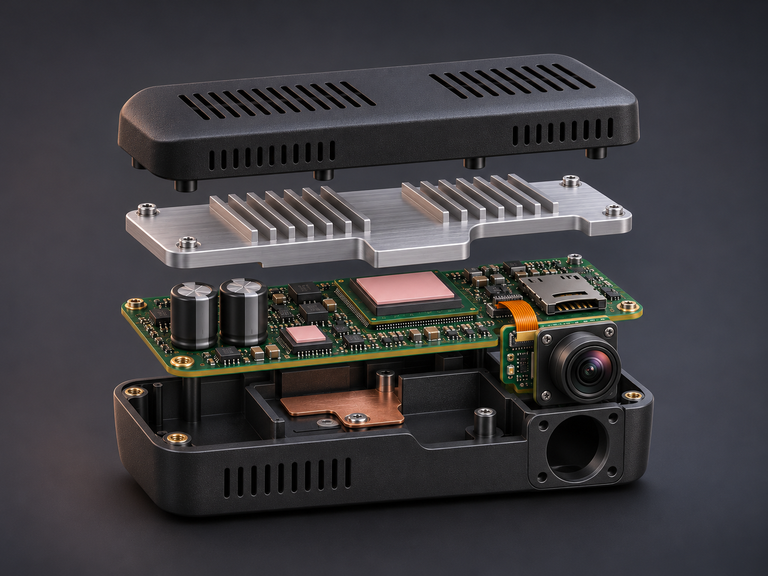
By: [Lucas/Senior R&D Engineer at DANSKER]
Long-haul trucking across North America and Europe often involves delayed accident claims. A fleet manager might receive an insurance notice five or ten days after a minor scrape on an interstate or motorway. By that time, the truck has already driven thousands of miles. If the dash cam overwrote the file, the fleet loses its strongest proof.
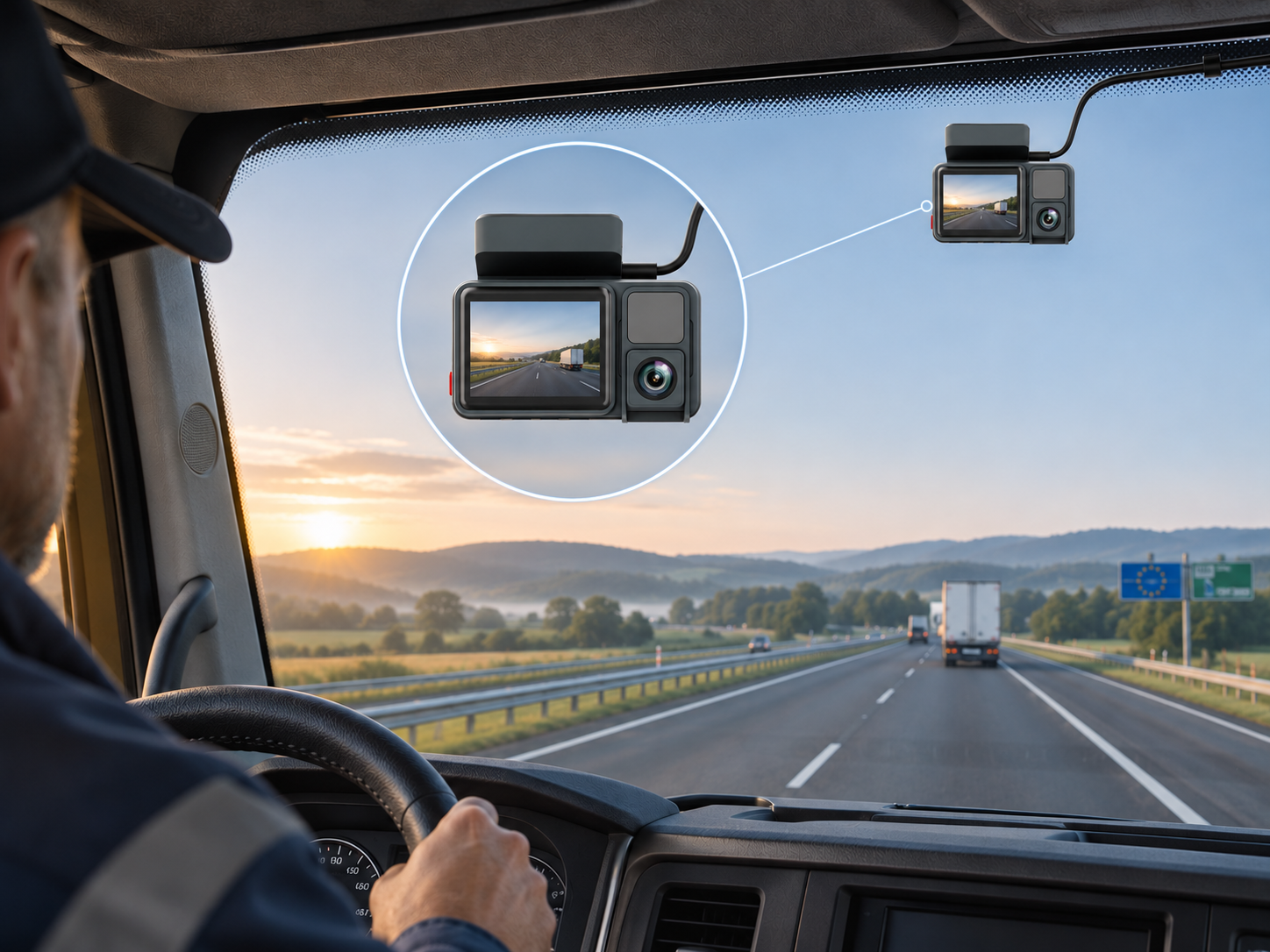
Multi-channel HD dash cams record front, rear, cab, and side views at the same time. These cameras create huge amounts of data every hour. Most fleets also work with a strict hardware and storage budget. To solve this problem, automotive engineers must balance video quality, card lifespan, and power safety. Here are six core hardware and software methods that DANSKER uses to keep critical video safe and usable.
1. Smart Encoding and Bitrate Control Extend Retention Time
High-resolution video fills up a microSD card very fast. A standard 3-channel or 4-channel system can overwrite a 128GB card in just one or two driving days. Fleet managers need longer retention periods without paying for expensive, oversized storage.
Modern dash cams solve this with H.265 (HEVC) video compression. H.265 cuts file sizes by about 30% to 50% compared to older H.264 systems, and it keeps the same image clarity. Engineers also use Variable Bitrate (VBR) control in the firmware. When a truck drives on a quiet highway at night, the scene changes very little. The camera lowers the bitrate automatically to save space. When the truck enters busy city traffic, the camera raises the bitrate to capture license plates clearly. This smart balance helps a single storage card hold several extra days of driving history.
2. Dedicated Partitions and RAM Buffering Prevent Overwrites
Standard dash cams use First-In, First-Out (FIFO) loop recording. The system deletes the oldest normal clips to make room for new video. If a crash happens and nobody pulls the card, normal loop recording will eventually erase the accident.
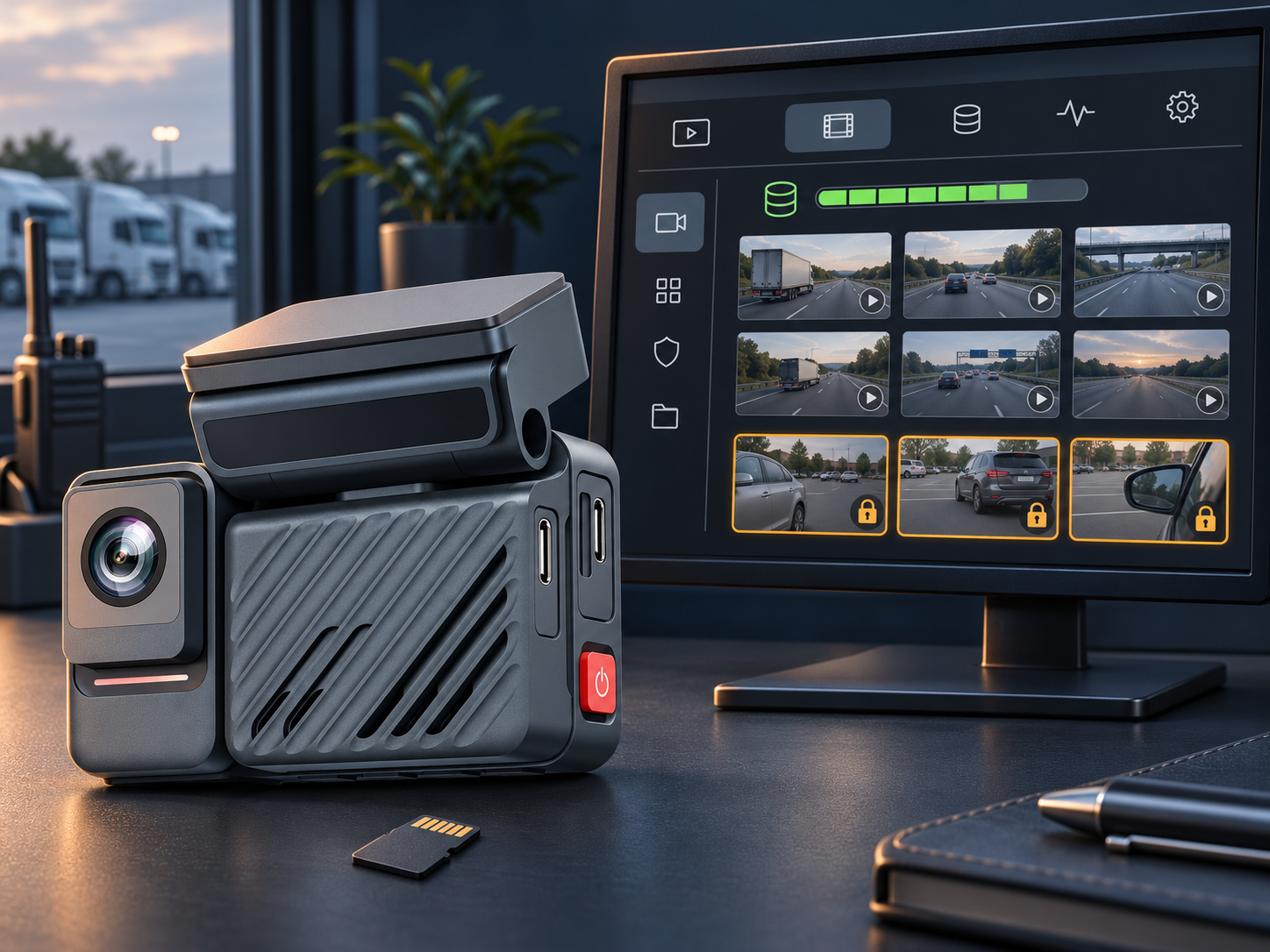
To stop this, embedded firmware splits the storage card into separate logical partitions. Normal driving video stays in the main loop folder, while locked events move to a protected folder. The system triggers an event lock through a built-in 3-axis G-sensor or a manual panic button.
Good firmware also uses a RAM ring buffer. The camera keeps the last 10 to 15 seconds of video inside its working memory at all times. When the G-sensor detects a hard impact, the system pulls that pre-event video from RAM and saves it with the post-event clip. The protected folder holds its own storage cap, so normal driving never overwrites locked crash files.
3. Supercapacitors and TS File Formats Beat Sudden Power Loss
A severe collision often cuts power from the truck battery in a split second. If a dash cam shuts down mid-write, the last video file usually gets corrupted. Standard lithium-ion batteries do not work well in commercial trucks because extreme heat and freezing winters ruin them quickly.
Automotive-grade dash cams use supercapacitors instead of lithium batteries. Supercapacitors work safely in harsh temperatures from -20°C to 70°C. When truck power drops, the supercapacitor gives the camera a few vital seconds of backup power. The firmware uses this time to save the final frames and close the file system cleanly.
Software file formats matter just as much as backup power. Standard MP4 files write a key index block, called a moov atom, only at the very end of a recording. If power fails early, the entire MP4 file becomes unreadable. Professional dash cams use the MPEG Transport Stream (TS) format instead. A TS stream saves video in tiny, continuous packets every fraction of a second. Even if the camera dies instantly, every second recorded before the crash remains playable.
4. Active Storage Health Monitoring Stops Silent Card Failures
Continuous multi-channel recording puts heavy stress on microSD cards. Consumer-grade cards wear out fast because their NAND flash memory has limited Program/Erase (P/E) cycles. When a card reaches its limit, it often switches to a permanent read-only mode without warning. A driver might think the camera is recording, but the card actually stopped saving files two weeks ago.
Fleets should start with high-endurance industrial cards that support wear leveling. Wear leveling spreads data evenly across all memory blocks to extend card life. On the software side, advanced dash cam firmware runs active health checks. The system reads card health data, similar to S.M.A.R.T. metrics, and tracks bad blocks and write speeds. If the card slows down or nears its wear limit, the dash cam plays a voice alert or flashes a warning light. This gives fleet teams time to swap the card before an accident happens.
5. GNSS Time Sync and Unified Clocks Align Multi-Channel Feeds
Cross-border freight in Europe and interstate hauls in North America cross multiple time zones. If the front camera shows a different timestamp than the side camera, insurance adjusters may reject the footage. Even a two-second drift between channels can create doubt during a liability dispute.
Reliable multi-channel dash cams use a single System-on-Chip (SoC) hardware clock for every video feed. All connected lenses share the exact same Presentation Time Stamp (PTS) during encoding. This design locks front, rear, and side frames together down to the millisecond.
The system also connects to a GNSS (GPS/GLONASS/Galileo) module to sync its Real-Time Clock (RTC). The camera pulls exact Coordinated Universal Time (UTC) directly from satellites. Fleet managers can then match video logs with ELD records and dispatch data across any state line or national border without time errors.
6. Hybrid Local-and-Cloud Storage Protects Budgets and Evidence
Uploading continuous 4-channel HD video over 4G or 5G networks costs far too much for most trucking companies. At the same time, waiting for a truck to return to the depot delays claim responses.
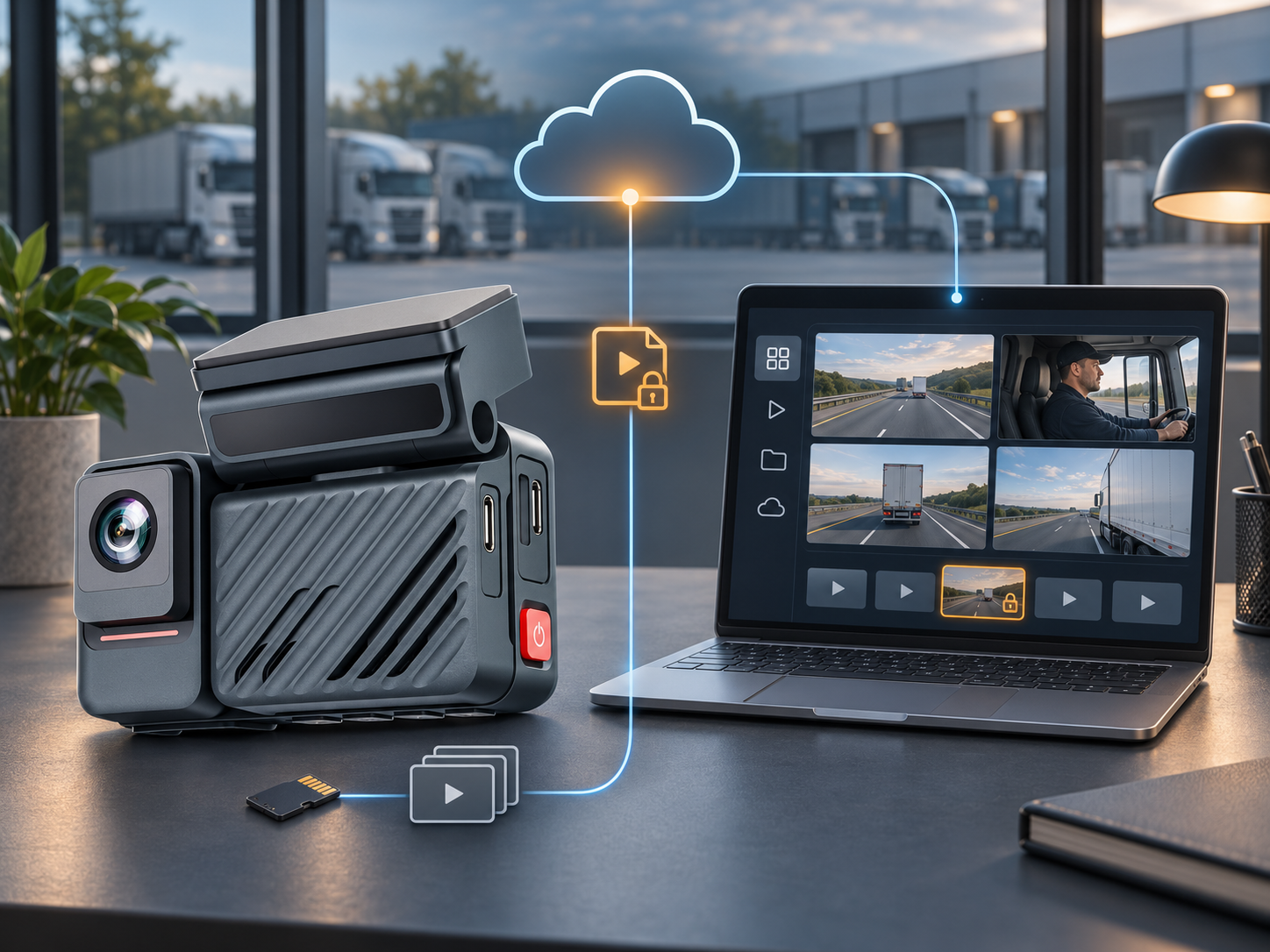
A hybrid workflow offers the most practical solution. The dash cam stores all continuous driving footage locally on high-capacity or dual microSD cards. When a G-sensor impact or manual trigger occurs, the camera creates a short, lower-bitrate clip of the event. The system then uploads only that locked event clip via cellular data or depot Wi-Fi. This approach keeps monthly data bills low while making sure key accident proof reaches the claims team right away.
Reliable Evidence Starts with Smart Engineering
Delayed claims are a normal part of commercial trucking across Europe and North America. A dash cam only protects a fleet when its hardware and firmware work together under real road stress. By combining H.265 compression, protected event partitions, supercapacitors, TS streaming, health alerts, and GNSS time sync, DANSKER builds multi-channel systems that keep evidence intact when fleets need it most.