VGA vs. 1080P/4K:
When is Lower Resolution the Smarter Choice?
By DANSKER Tech Team
•
6 Min Read
•
ANALYSIS
In the consumer electronics world, “bigger number equals better” is the usual mantra. But in professional automotive security, efficiency often trumps pixel count. While 4K is stunning, VGA (640×480) offers unique advantages in storage, night vision, and system stability that make it the preferred choice for 60% of the market.
1. The Storage Equation: Recording 8x Longer
The biggest hidden cost of owning a dash cam is storage. High-resolution files overwrite your SD card rapidly. If an incident happens and you don’t realize it immediately, a 4K camera might overwrite the evidence in less than 2 hours.
| Resolution | File Size (1 Min) | 16GB Card Capacity |
|---|---|---|
| 4K UHD | ~350 MB | ~45 Minutes |
| 1080P FHD | ~100 MB | ~100 Minutes |
| VGA (480P) | ~20 MB | ~600-800 Minutes |
The Verdict: A VGA camera allows you to record an entire 10-hour shift or a long road trip without a single loop overwrite, using the same affordable SD card.
2. Night Vision: The “Big Pixel” Advantage
It sounds counterintuitive, but lower resolution sensors often see better in the dark. Why? Because on a sensor of the same physical size (e.g., 1/3 inch), fewer pixels mean each individual pixel is physically larger.
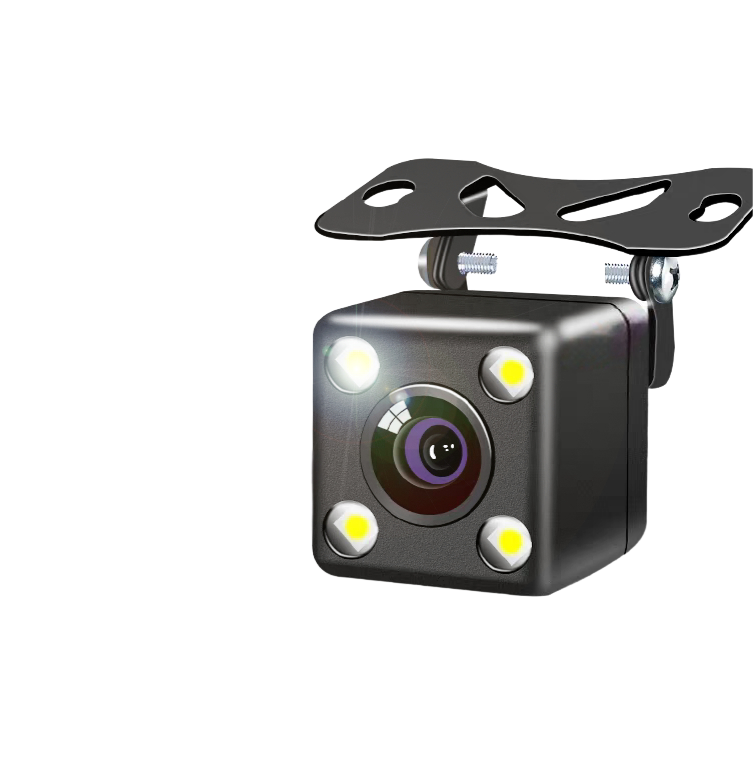
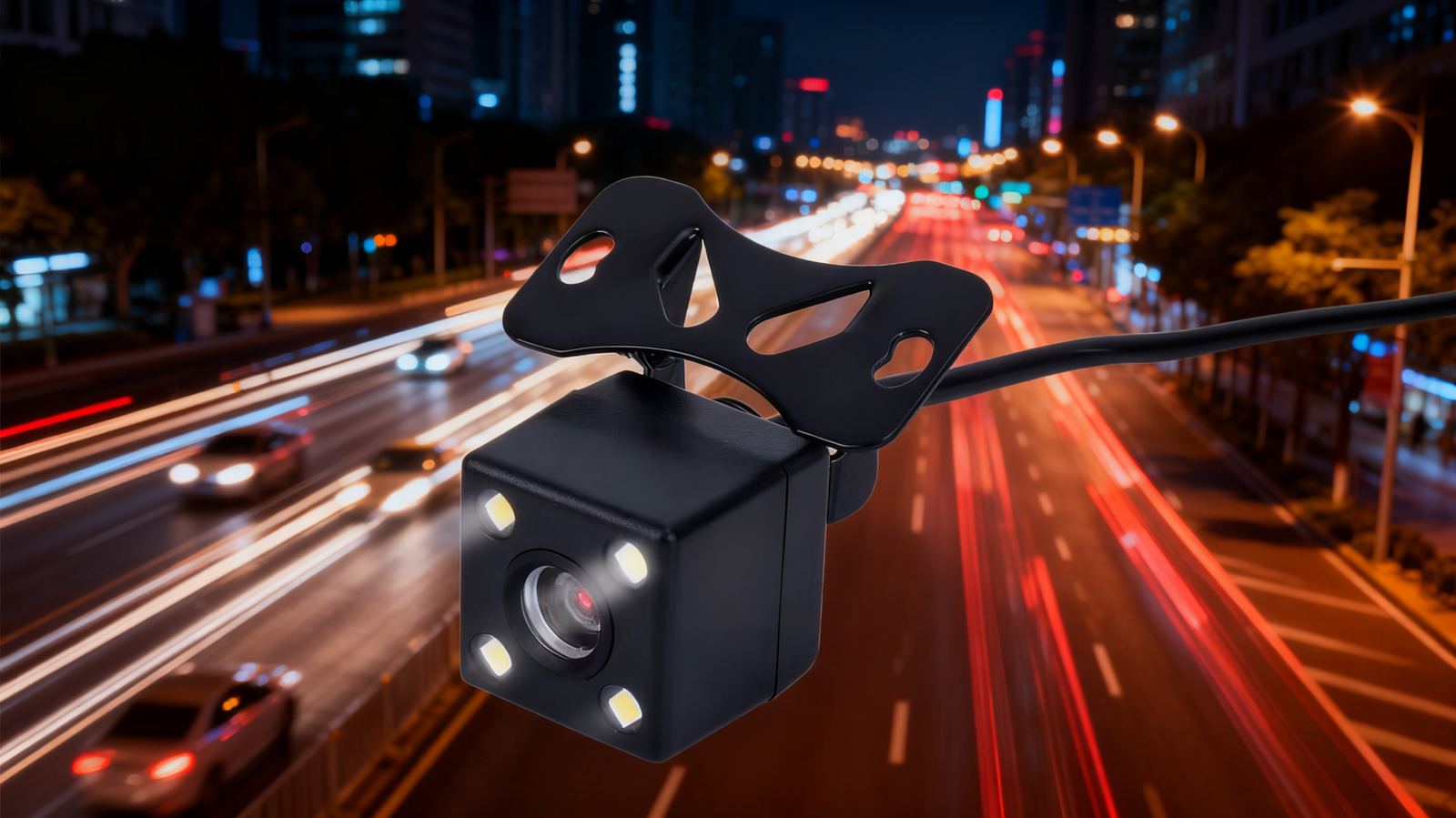
DANSKER’s VGA sensors typically feature a pixel size of 3.6μm x 3.6μm. Compare this to a budget 1080P sensor with tiny 1.4μm pixels. The larger VGA pixel acts like a bigger bucket, catching more photons (light) in low-light conditions. Combined with IR LEDs, this provides superior object detection in pitch-black environments.
3. System Load & Heat Management
Processing 4K video generates immense heat. In summer, dashboard temperatures can exceed 70°C (158°F). High-resolution cameras are prone to overheating and shutting down to protect their circuitry.
VGA processing requires minimal CPU power. This means the unit runs cooler and more stably over long periods, making it ideal for commercial vehicles that run 12+ hours a day.
Return to VGA Ultimate Guide
Explore more about hardware specs and fleet applications.
Go Back